Vermonters vote as national Senate fight narrows to 13 states
Burlington voters choose their governor and House representative today while the national battle for the U.S. Senate hinges on a dozen competitive races.
By Sophie Lawson ·
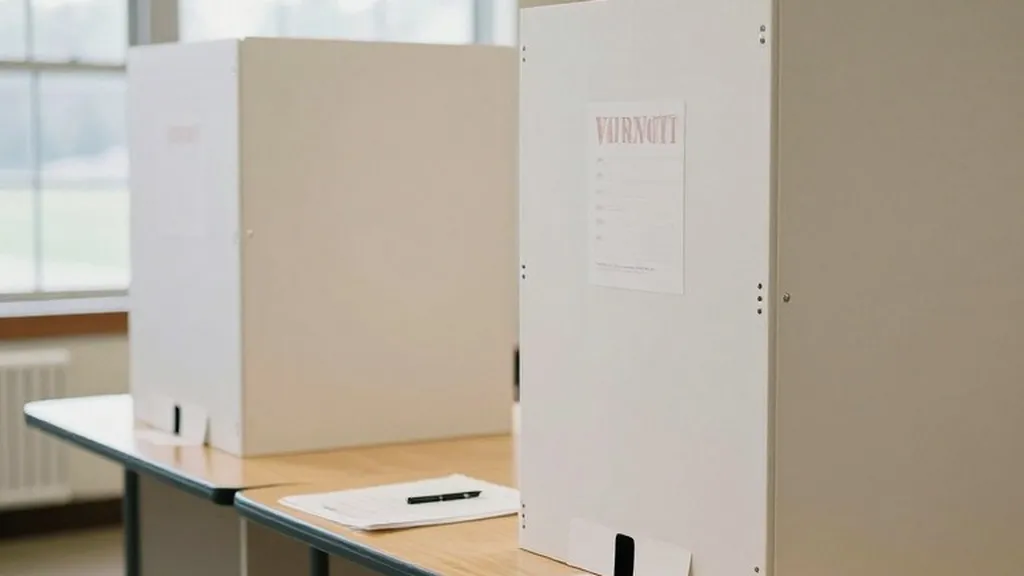
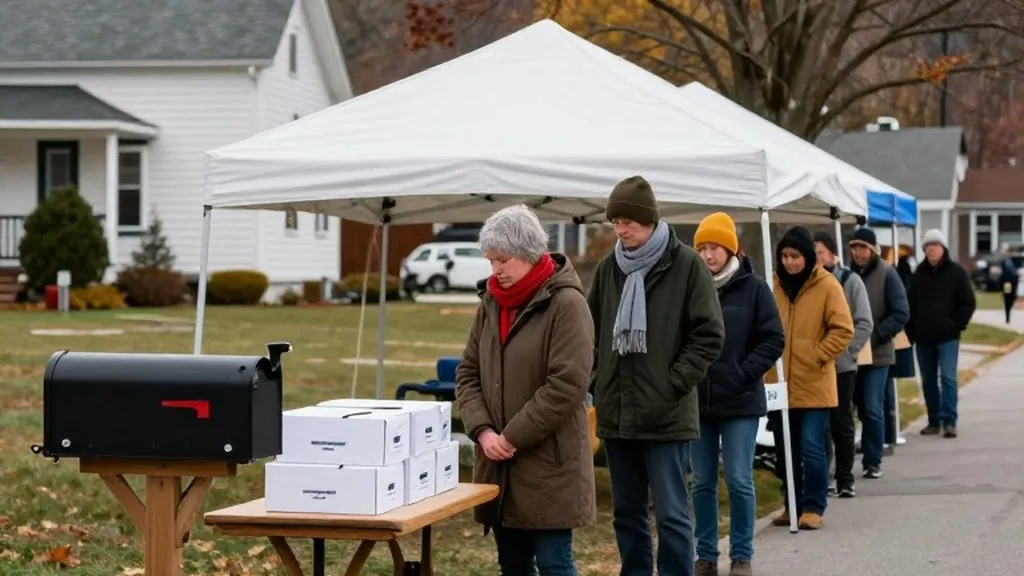
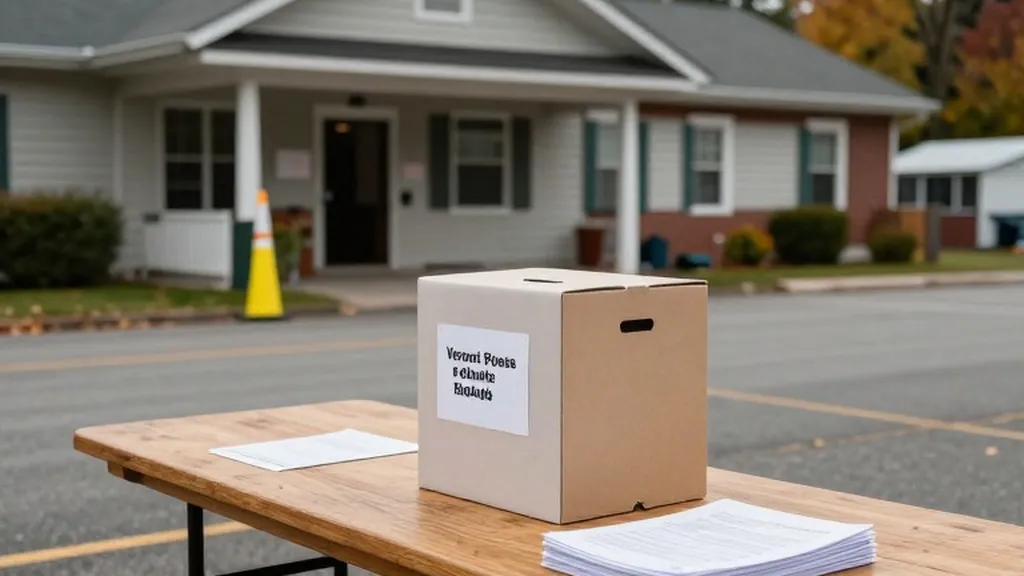
Burlington residents and voters across Vermont are heading to the polls today, Tuesday, November 3, 2026, to decide the state’s next governor and select a U.S. House representative. According to Ballotpedia, Vermont polls open between 5 a.m. and 10 a.m. and close at 7 p.m. The state conducts its elections largely by mail, but in-person voting is available for those who prefer it. Incumbent Republican Governor Phil Scott is on the ballot again, facing challengers from the Democratic, Green, and Independent parties. The state’s single U.S. House seat is also up for grabs, with incumbent Democrat Becca Balint seeking re-election against Republican and Independent candidates.
While Vermonters focus on state and federal House races, the national spotlight is fixed on the U.S. Senate, where 35 seats are contested. Republicans currently hold 53 Senate seats, while Democrats hold 45, with two independents caucusing with the Democrats. For Democrats to gain control of the chamber, they must achieve a net gain of four seats. Conversely, Republicans can afford to lose no more than two seats to maintain their majority. Eleven senators, four Democrats and seven Republicans, are not running for re-election, creating several open seats that are shaping the national landscape.
Ballotpedia identifies 13 specific Senate races as battlegrounds where the outcome could swing the balance of power. These races include contests in Alaska, Florida, Georgia, Iowa, Kansas, Maine, Michigan, Montana, Nebraska, New Hampshire, North Carolina, Ohio, and Texas. The ratings for these races vary, with Maine considered a toss-up by all major rating groups. Iowa is rated as a toss-up or tilting Republican, while Kansas is viewed as a toss-up to lean Republican. In the northern tier, Alaska and Michigan are rated as toss-up to lean Democratic, and Georgia is seen as a lean to likely Democratic race.
Several of these Senate races feature high-profile matchups that have drawn significant national attention. In North Carolina, former Democratic Governor Roy Cooper faces former Republican National Committee chair Michael Whatley in the seat vacated by retiring Senator Thom Tillis. In Georgia, Senator Jon Ossoff is challenging Republican Representative Mike Collins. The race in Ohio pits Democratic former Senator Sherrod Brown against incumbent Republican Senator Jon Husted, while in Michigan, Republican former Representative Mike Rogers faces Democrat Abdul El-Sayed. The Associated Press notes that economic strain and tariffs have made Maine highly competitive, where Senator Susan Collins faces Democratic former state Senate President Troy Jackson.
The Associated Press describes today’s midterm election as a referendum on President Donald Trump’s second term, with many voters citing high prices and an unpopular war with Iran as key issues. AP-NORC polling indicates that 35 percent of U.S. adults approve of Trump’s job performance, while about 7 in 10 say the country is heading in the wrong direction. More than 57 million people had already voted as of Monday, surpassing early vote totals from four years ago in many closely watched states. Republicans are bracing for a potential loss of the House and are fighting to hold the Senate, while Democrats are described as cautiously optimistic about their chances.
In Vermont, the race for governor is a key local contest as voters decide whether to keep Phil Scott in office. The ballot includes candidates from the Republican, Democratic, Green, and Independent parties, reflecting the state’s diverse political landscape. Alongside the gubernatorial race, Vermonters are also voting on state legislative seats and local offices that vary by town. The state’s election officials have noted that mail ballots are a primary method of voting, but polling places remain open for those who wish to vote in person. The outcome of the governor’s race could have implications for the state’s direction in the final two years of the current presidential term.
On the national stage, the fight for the Senate is not just about the number of seats but also about the ideological composition of the chamber. The Associated Press notes that if Democrats win even one chamber, investigations and possible impeachment proceedings become likely. House Democratic Leader Hakeem Jeffries has outlined a 100-day agenda focused on the cost of living and oversight if his party gains control of the House. A strong Democratic performance could also boost potential 2028 presidential candidates, while a Republican hold would complicate the path for Vice President JD Vance. The stakes are high as both parties seek to define the legislative landscape for the next two years.
The Associated Press reports that the 2026 elections are likely to be the most expensive in history, with Republican committees outraising and outspending Democratic committees. This spending is heavily influenced by Trump-affiliated groups and billionaire Elon Musk. At the candidate level, Democrats have outraised their opponents. Analysis by the AP of AdImpact data shows that 88.1 percent of Republican general election TV ad spending went to states and districts that Trump won in 2024. This targeted spending reflects the party’s strategy to protect its base while competing in the 13 battleground states identified by Ballotpedia.
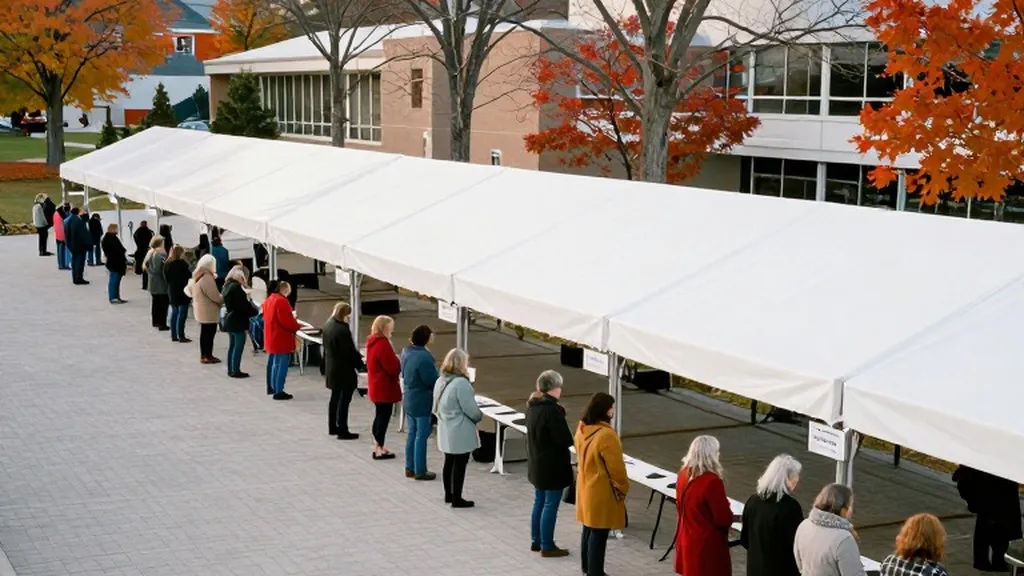
Voters in Burlington and across Vermont can find their specific polling place at vote.gov or through their state election office. Anyone in line when polls close at 7 p.m. is entitled to cast a ballot. ID rules vary by state, so voters are advised to check Vermont’s specific requirements before heading to the polls. The U.S. Postal Service has added hours and staff to ensure mail ballots are counted on time, addressing concerns about delivery delays. As the day progresses, the nation will watch to see if the 13 Senate battlegrounds shift the balance of power in Washington.