Burlington voters choose governor as national midterms tighten
Vermonters head to the polls or mail in ballots to decide the governor's race and House seat, while a close contest for congressional control unfolds across the nation.
By Sophie Lawson ·
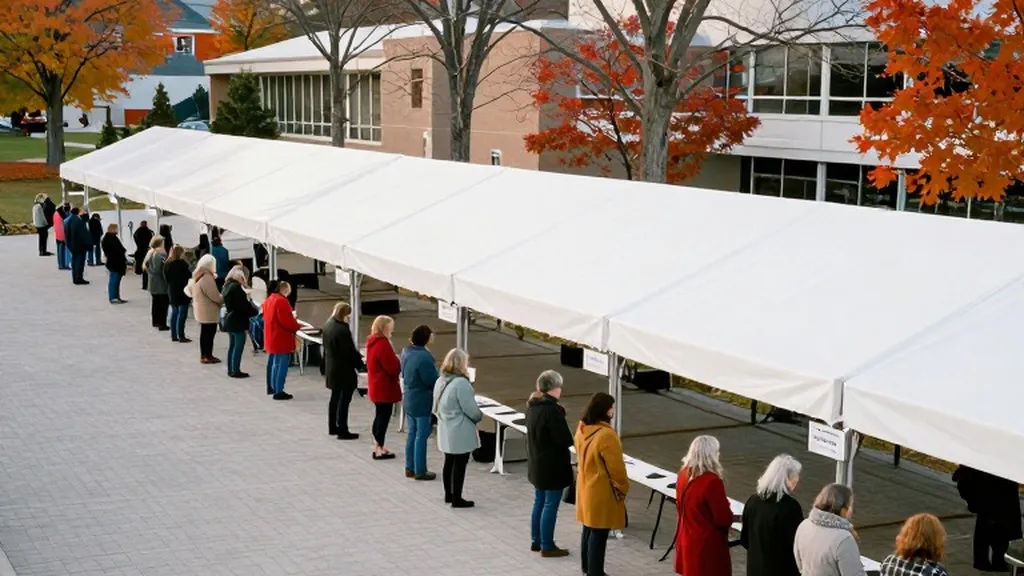
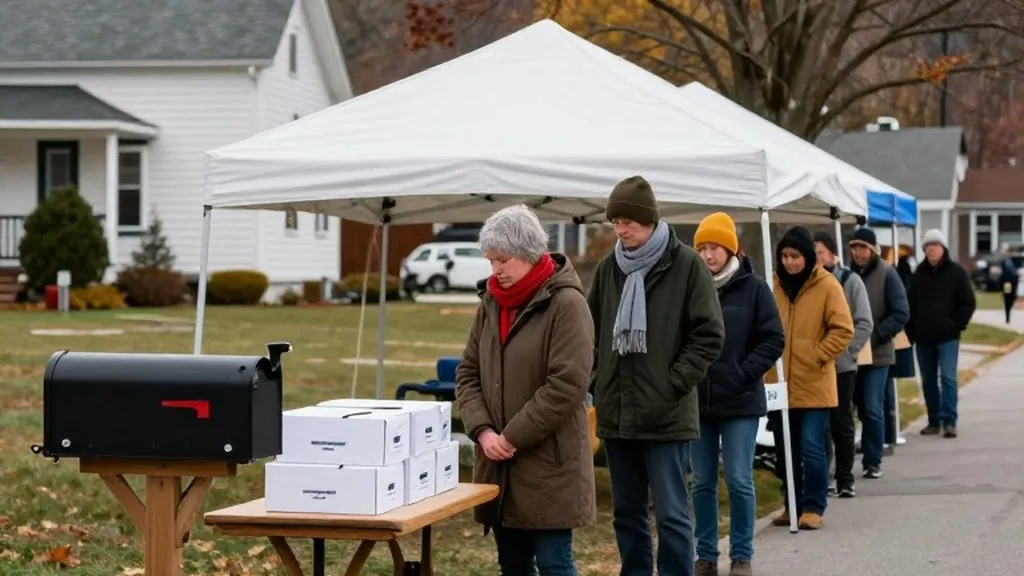
Polls in Burlington are open today, with voting hours in Vermont ranging from as early as 5 a.m. to a close at 7 p.m. local time. As a state that conducts its elections largely by mail, many voters in the county have already cast their ballots, but those who have not can still vote at their designated polling place. According to Ballotpedia, the state is choosing a governor, its single U.S. House representative, state legislative officials, and local municipal positions.
In the race for governor, incumbent Republican Phil Scott is seeking re-election. He faces challengers from the Democratic, Green, and Independent parties, as well as a candidate from the Freedom and Unity Party. This contest is one of two races where Republicans are defending a governorship in a state that President Donald Trump won in the 2024 presidential election. The other such race is in New Hampshire, where Republican Kelly Ayotte is running for re-election.
Burlington residents are also voting for the state's sole seat in the U.S. House of Representatives. The Democratic incumbent, Becca Balint, is running against a Republican opponent and several Independent candidates. Vermonters will also decide on two statewide ballot measures, including Proposal 3, which establishes a state constitutional right to organize for collective bargaining, and Proposal 4, which prohibits the denial of rights based on various factors including race, religion, and disability.
Vermont is part of a broader national decision being made today. This is the midterm election, occurring halfway through the second term of President Trump. The results will determine which party controls Congress for the remaining two years of his presidency. All 435 seats in the U.S. House are up for grabs, and 35 of the 100 seats in the U.S. Senate are on the ballot.
The Associated Press reports that voters are grappling with high prices and an unpopular war with Iran. Polling from AP-NORC indicates that 35% of U.S. adults approve of Trump's job performance, while approximately seven in 10 believe the country is heading in the wrong direction. Democrats need a net gain of three House districts to secure a majority, whereas Republicans can afford to lose no more than two seats to maintain their control of the chamber.
Control of the Senate is equally precarious. Republicans currently hold 53 seats, while Democrats and their independent allies hold 45. Democrats require a net gain of four seats to take the majority. Thirteen Senate races are considered battlegrounds, including contests in Georgia, Ohio, Michigan, New Hampshire, and Kansas. In Georgia, Democrat Jon Ossoff is running against Republican Mike Collins. In Ohio, Democrat Sherrod Brown is challenging Republican Jon Husted for a special seat.
Governor races are critical in 36 states. Republicans currently hold 26 governorships, and Democrats hold 24. Democrats need a net gain of two governorships to achieve a nationwide majority, a feat they have not accomplished since 2010. In addition to Vermont, Republicans are defending their seats in states like Nevada, where Governor Joe Lombardo is running against Democrat Aaron Ford, and Ohio, where Vivek Ramaswamy is running against Amy Acton.
Several states are using new congressional maps following mid-decade redistricting, including California, Florida, and Ohio. The Associated Press notes that the 2026 elections are likely to be the most expensive in history. Republican committees have outspent Democratic committees, largely due to support from Trump-affiliated groups and Elon Musk. However, at the candidate level, Democrats have outraised their opponents according to AP analysis of AdImpact data.
Voters in other key states are deciding their own fates today. In Arizona, Republican Katie Hobbs is running for re-election against a Democratic challenger. In Pennsylvania, Democrat Josh Shapiro is seeking another term. In Wisconsin, the race is competitive, with the incumbent choosing not to run. In Kansas, a traditionally Republican state, the governor's race has become central to the national fight for control of the Senate.
More than 57 million people had already voted as of Monday, surpassing the early vote totals from four years ago in many closely watched states. The U.S. Postal Service has added staff and hours to ensure mail ballots are counted on time. A federal judge temporarily barred the Trump administration from carrying out a plan to prevent noncitizen voting, a move that critics say risks disenfranchising eligible voters.
The mood among political parties is tense. Republicans are bracing for the possibility of losing the House, while Democrats are described as cautiously optimistic. RNC Chairman Joe Gruters stated that everything depends on turnout. In contrast, DCCC Chair Rep. Suzan DelBene said the American people are angry and want change. The results will signal the direction of the country's political landscape for the next two years.
Wall Street is also monitoring the election closely. Reuters reports that the results could influence investor concerns regarding AI spending and debt ceiling negotiations. If Democrats win even one chamber, investigations and possible impeachment proceedings are likely to begin. House Democratic Leader Hakeem Jeffries, who would become the first Black speaker if Democrats take the House, has outlined a 100-day agenda focused on the cost of living and oversight.