Vermont voters weigh Scott, Balint as national House race tightens
With polls open until 7 p.m. in Burlington, residents decide state leaders while a three-seat margin decides national House control.
By Trevor Wilson ·
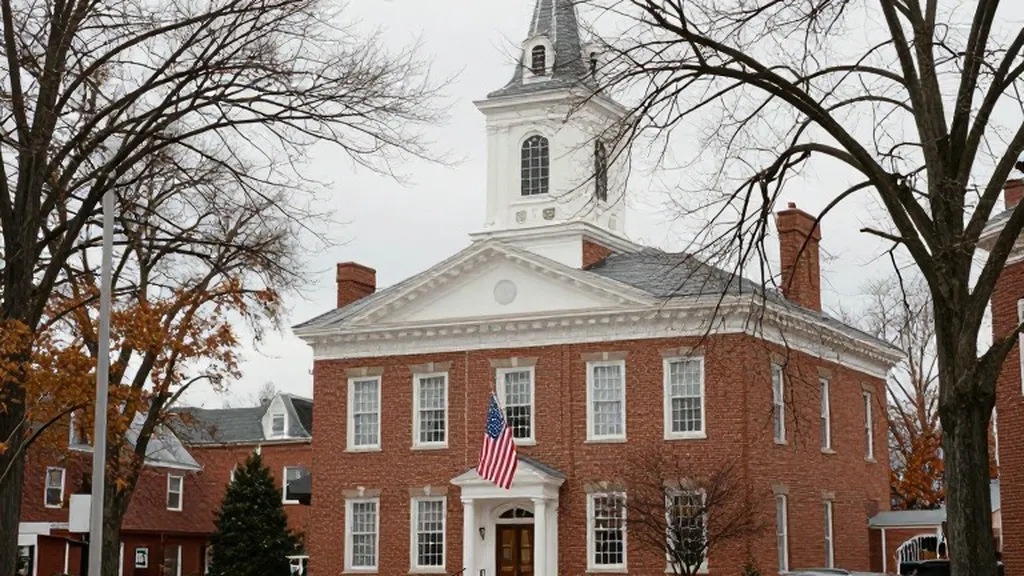
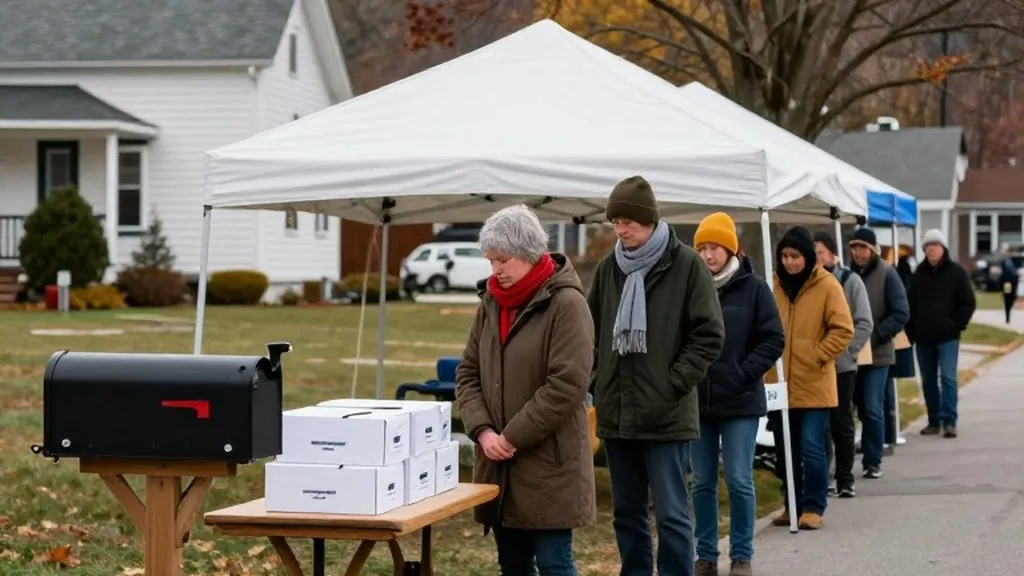
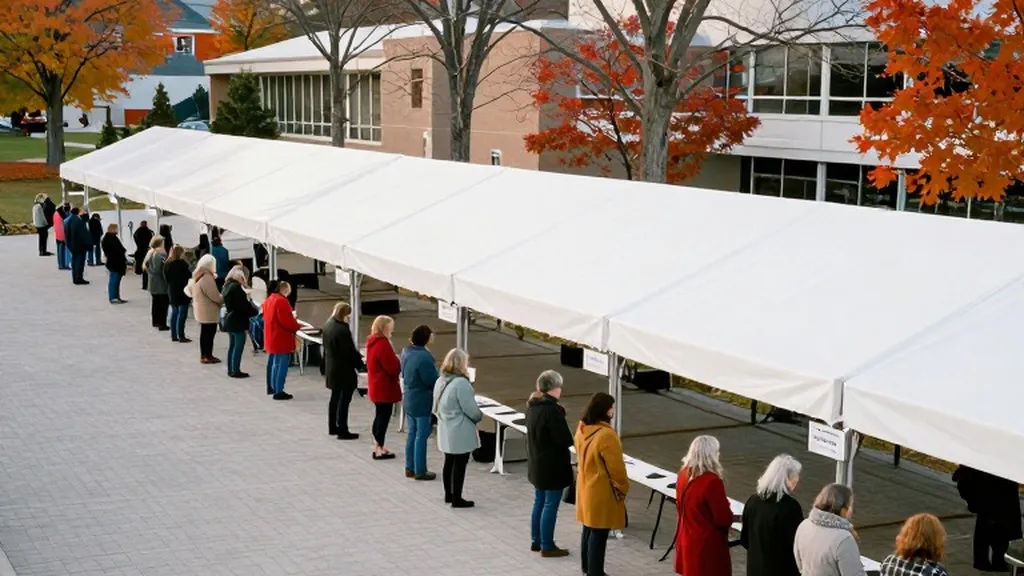
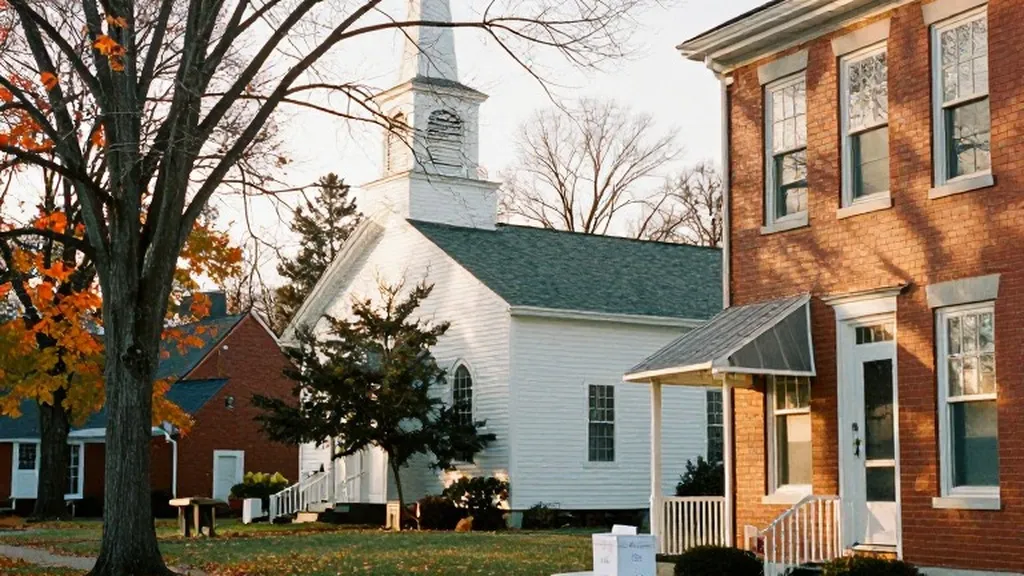
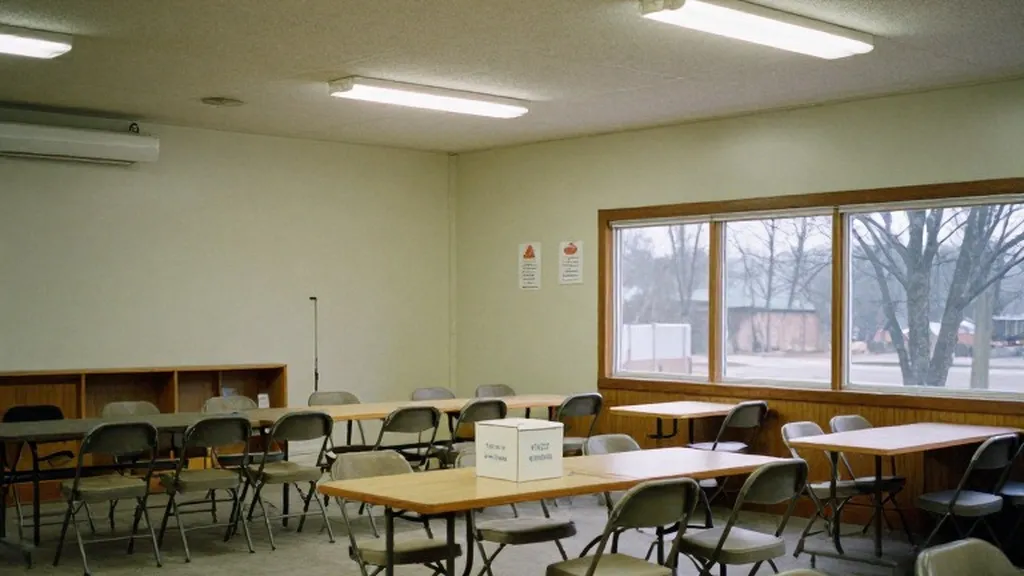
In Burlington, Vermont, residents are heading to polling places on Tuesday, November 3, 2026, to cast votes in a midterm election that will determine the balance of power in Washington for the next two years. Vermonters can cast ballots at their local polling places between 5 a.m. and 7 p.m., according to Ballotpedia. The state conducts its elections largely by mail, but in-person voting remains a central option for those who did not return their ballots earlier in the week. Any resident in line when the polls close at 7 p.m. is entitled to cast a vote. Voters can confirm their specific polling location by visiting vote.gov or checking with their local town clerk. The day marks the halfway point of President Donald Trump's second term, and the results will decide which party controls Congress during his final two years in office.
Locally, Vermonters are choosing their state's chief executive and their representative in the U.S. House of Representatives. Incumbent Governor Phil Scott, a Republican, is on the ballot for re-election, facing challengers from the Democratic, Green, and Independent parties, as well as the Freedom and Unity Party and the Green Mountain Peace and Justice Party. In the U.S. House race, incumbent Democratic Representative Becca Balint is on the ballot, competing against a Republican candidate and several independent candidates. This is the only U.S. House seat in the state, and it is up for election along with state Senate and state House seats, municipal government positions, and local ballot measures. There is no U.S. Senate election in Vermont this year, as the next regular election for that office is not scheduled until 2028.
Nationally, the stakes are high for the U.S. House of Representatives, where all 435 seats are up for grabs. Republicans currently hold 218 seats, while Democrats hold 214, with one independent and several vacancies, according to Ballotpedia. This creates a razor-thin margin where Democrats need a net gain of three districts to secure a majority, while Republicans can afford to lose no more than two seats. Ballotpedia identifies 46 battleground districts, split between 25 currently held by Democrats and 21 by Republicans. The closeness of these races means that small shifts in voter turnout or opinion could determine which party controls the chamber. Sixty House incumbents, including 23 Democrats and 37 Republicans, did not run again, opening up competitive races in key districts across the country.
The new congressional maps in seven states add another layer of complexity to the national picture. California, Florida, Missouri, North Carolina, Tennessee, and Texas, along with Ohio, are using new district boundaries following mid-decade redistricting efforts. These changes have altered the political landscape in several states, with some new districts potentially voting differently than the maps that were in place for the 2024 election. For example, 21 Democratic-held districts voted for President Trump in 2024, while nine Republican-held districts voted for Vice President Kamala Harris, indicating that district-level loyalties are shifting. These dynamics are making the 46 battleground districts particularly unpredictable, as analysts track how the new maps interact with local voting patterns.
The mood among voters is shaped by economic concerns and dissatisfaction with the current administration. The Associated Press describes the election as a referendum on Trump's second term, noting that voters are struggling with high prices and are angry over an unpopular war with Iran. Polling from AP-NORC shows that 35% of U.S. adults approve of Trump's job performance, while only 25% approve of his handling of the economy. About seven in 10 Americans say the country is heading in the wrong direction, and most blame the president for high prices. This sentiment is driving voter turnout, with more than 57 million people having already voted as of Monday, surpassing early vote totals from four years ago in many closely watched states. The high early turnout suggests that the final day of voting will be crucial in determining the outcome in competitive districts.
Republican and Democratic strategists are focused on different aspects of the race. Republicans are bracing for the possibility of losing the House and are fighting to hold the Senate, where they hold 53 seats to 45 for Democrats, plus two independents who caucus with the minority. Democrats need a net gain of four Senate seats to take control, while Republicans can lose only two. The Associated Press notes that one or two seats could tip the balance in either chamber. Republican National Committee Chairman Joe Gruters emphasized the importance of turnout, stating that everything depends on getting their voters to the polls. In contrast, Democratic Congressional Campaign Committee Chair Rep. Suzan DelBene said the American people are angry and want change. This divide reflects the broader national narrative, with voters in Burlington and across Vermont weighing these same national issues alongside their local choices.
The financial scale of the 2026 elections is also a notable feature, with expectations that this will be the most expensive election cycle in history. Republican committees have outraised and outspent their Democratic counterparts, aided by Trump-affiliated groups and contributions from Elon Musk. However, at the candidate level, Democrats have outraised their opponents. An analysis by the Associated Press of AdImpact data shows that 88.1% of Republican general election TV ad spending went to states and districts that Trump won in 2024, including more than $850 million in areas where he won by 10 points or more. This heavy spending in safe Republican areas contrasts with the competitive dynamics in the 46 battleground districts, where every vote counts. The influx of money has intensified the messaging, with candidates focusing on cost of living, healthcare, and foreign policy.