Vermont voters choose between Scott and challenger amid national governor race split
Burlington residents face a pivotal choice in the governor's race as polls close at 7 p.m., part of a national contest where 19 open seats and a strict 18 to 18 partisan balance determine the next two years of state leadership.
By Sophie Lawson ·
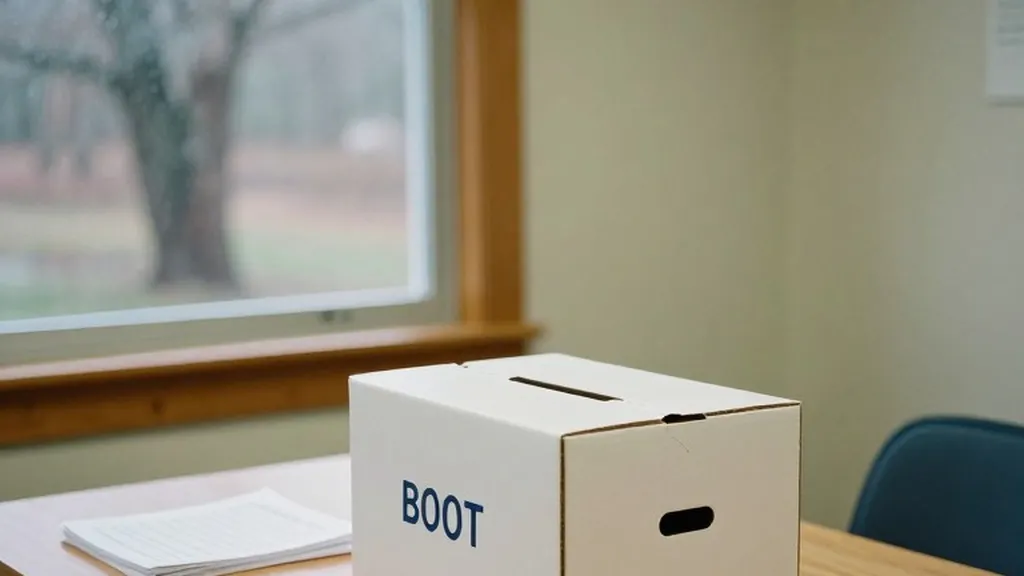
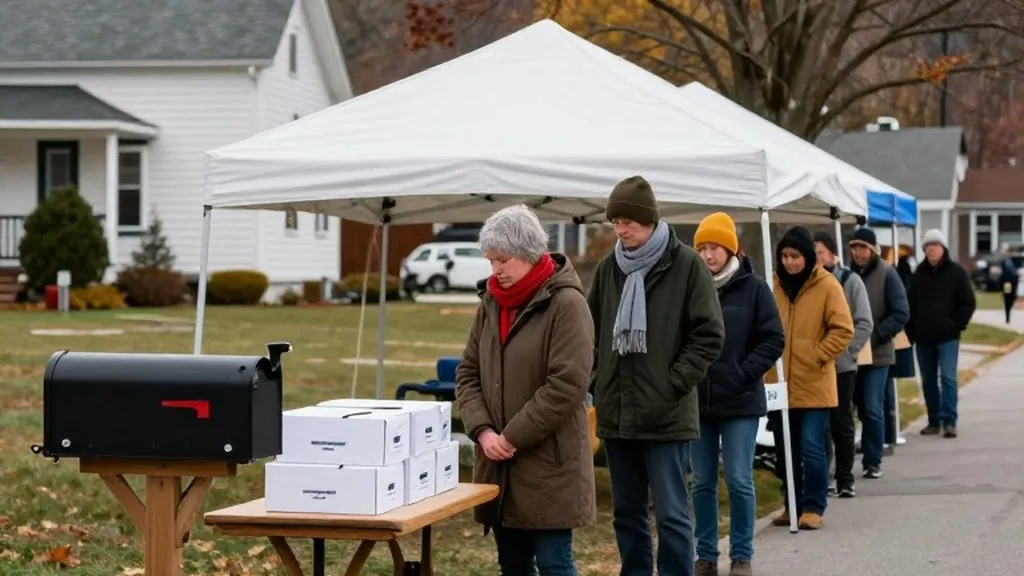
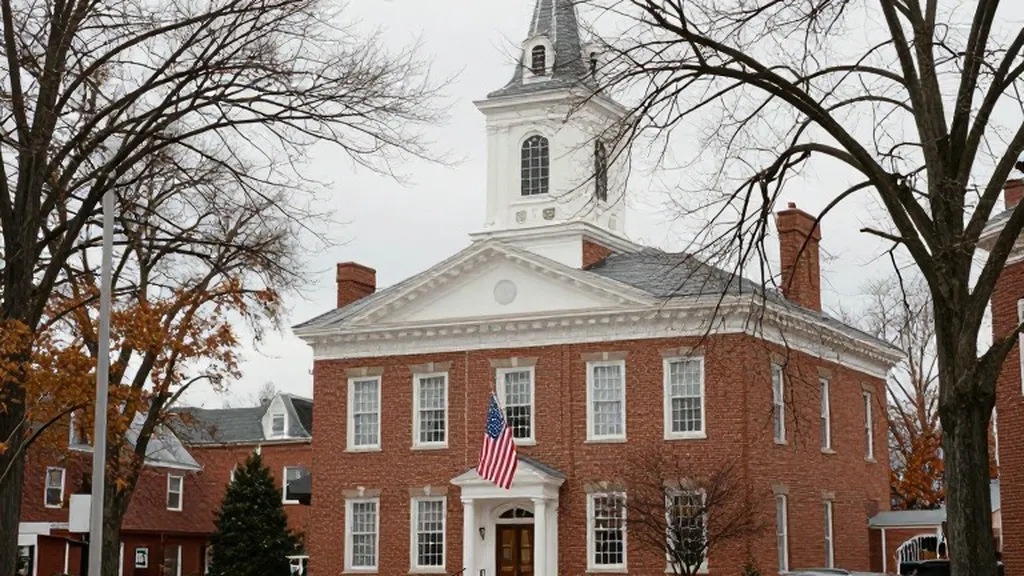
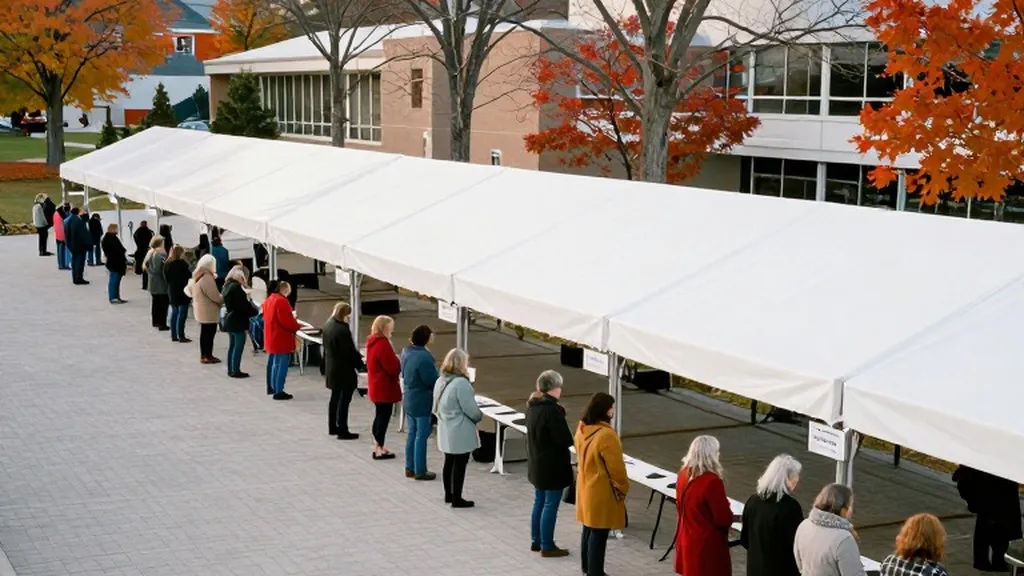
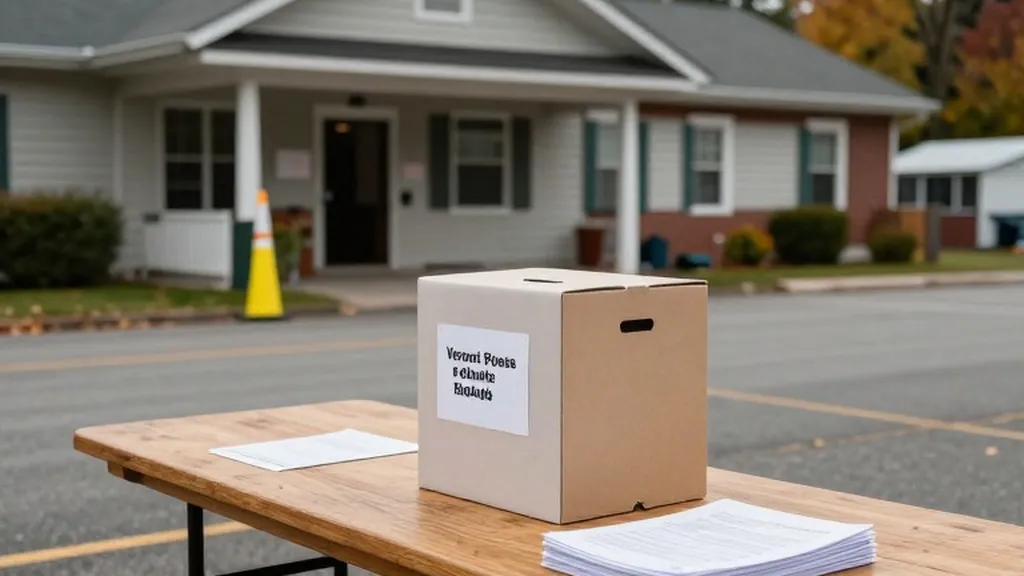
Burlington voters will head to the polls today to decide the outcome of the Vermont governor's race, a contest that holds particular weight in the context of the national midterm elections. In the Green Mountain State, incumbent Republican Governor Phil Scott is running for another term, facing a field that includes candidates from the Democratic, Green, Independent, and Republican parties. According to Ballotpedia, Vermont polls open between 5 a.m. and 10 a.m., depending on the town, and close at 7 p.m. The state conducts its elections largely by mail, a method that has shaped voter behavior in recent cycles. Residents can confirm their specific polling locations through the vote.gov website or their local election office. Anyone in line when the polls close is entitled to cast a ballot, and voters should check state ID rules before arriving at the polls.
The race for governor in Vermont is one of 36 governorships on the ballot nationwide this year. The Associated Press and Ballotpedia report that heading into Election Day, Republicans hold 26 governor's offices and Democrats hold 24. Among the 36 races, each party holds 18 seats, creating a perfectly balanced starting point for the contest. This balance is critical because Democrats only need a net gain of two governorships to achieve a nationwide majority, a status Republicans have maintained since 2010. For Vermont voters, the outcome will contribute to this national tally, influencing the balance of power in state executive offices across the country.
Nineteen of the 36 governor races are open seats, meaning no incumbent is on the ballot. This high number of open seats is due to term limits and strategic decisions by current governors. Fifteen governors are term limited, while Iowa's Kim Reynolds, Minnesota's Tim Walz, and Wisconsin's Tony Evers chose not to run for another term. Rhode Island's Daniel McKee lost his primary and is not on the general ballot. In Vermont, however, the seat is not open, as Governor Phil Scott is seeking re-election. The presence of 19 open seats creates a dynamic environment where challengers can compete without the advantage of name recognition and institutional knowledge typically afforded to incumbents.
Nine governor races are identified as battlegrounds by Ballotpedia, including Alaska, Arizona, Georgia, Iowa, Kansas, Michigan, Nevada, Ohio, and Wisconsin. These races are closely watched because they could tip the national balance. In Vermont, while not listed in that specific group of nine, the race is still significant as Republicans are defending their hold in a state that President Donald Trump did not win in 2024. The Associated Press notes that Democrats are hoping to hold a majority of governorships for the first time in two decades, a goal that depends on performance in various states, including Vermont where the incumbent is a Republican.
The national picture for the governor's race reflects a broader struggle for control of statehouses. Republicans currently hold a majority of governorships, a position they have held for over a decade. The 2026 midterm elections offer Democrats a chance to shift this balance. The Associated Press describes the election as a referendum on President Trump's second term, with voters expressing concerns about high prices and an unpopular war with Iran. These national issues are likely to influence voting patterns in Vermont, where local and state candidates compete for attention in a crowded ballot environment.
In addition to the governor's race, Vermont voters are deciding the state's U.S. House seat. The state has no U.S. Senate election this year. The House race features incumbent Democratic Representative Becca Balint against a Republican candidate and several independent candidates. The outcome of this federal race, combined with the governor's race, will determine the partisan alignment of Vermont's delegation to Washington and its state leadership. Voters are also weighing state and local offices, as well as ballot measures that vary by county, including proposals on labor rights and constitutional protections.
The mood leading into the election is marked by intense campaigning and high voter engagement. More than 57 million people had already voted as of Monday, surpassing early vote totals from four years ago in many closely watched states. The Associated Press reports that Republicans are bracing for potential losses in the House while fighting to hold the Senate. Democrats are described as cautiously optimistic. In Vermont, the competitive nature of the governor's race, with multiple parties on the ballot, suggests a high level of voter participation. The state's mail-in voting system allows for a steady flow of ballots, reducing the pressure of a single day of voting.
Financial resources have played a significant role in the 2026 elections, which are expected to be the most expensive in history. The Associated Press analysis of AdImpact data shows that Republican committees have outraised and outspent Democratic committees, aided by Trump-affiliated groups and Elon Musk. However, at the candidate level, Democrats have outraised their opponents. In Vermont, the campaigns have focused on local issues and the broader national context. The cost of living, healthcare, and taxes are key themes, with voters like James Moore, a librarian in Raleigh, North Carolina, citing higher costs for healthcare and taxes as primary concerns. These issues resonate with Vermonters who are also facing economic pressures.
The election administration has faced some legal challenges. A federal judge temporarily barred the Trump administration from carrying out a plan to prevent noncitizen voting, a move critics said risked disenfranchising eligible voters. Another judge ordered the administration to stop demanding that California election officials segregate ballots cast by people on lists of suspected noncitizens. The U.S. Postal Service added hours and staff to ensure mail ballots are counted on time. In Vermont, the focus is on ensuring that the mail-in process runs smoothly and that all eligible voters have the opportunity to participate in the selection of their next governor and federal representative.