Seven Days and ProPublica to investigate Lake Champlain cleanup
Two veteran environmental journalists have begun a yearlong collaboration to examine the state's $1 billion effort to restore the lake.
By Trevor Wilson ·
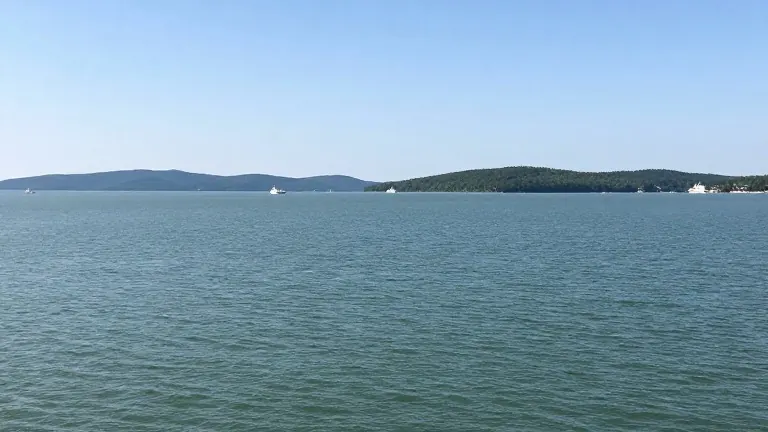
Vermont candidates have largely ignored the condition of Lake Champlain during this election cycle, even as the state approaches a $1 billion price tag for remediation programs over the last decade. According to water watchdogs, the lake has not improved as expected and has deteriorated in certain areas. This gap in public discourse has prompted a new investigative project led by Seven Days in partnership with the national nonprofit news outlet ProPublica.
The collaboration was selected in June for ProPublica's Local Reporting Network. This program pairs ProPublica editors with local newsrooms to pursue ambitious reporting. The national organization funds most of the project and provides expertise that local outlets often lack. By 2029, the network will have partnered with one local media outlet in every U.S. state. This year, ProPublica and the Connecticut Mirror won a Pulitzer Prize for local reporting on towing laws, a story that led to immediate legislative changes.
The series, titled Troubled Waters, will examine the varied upstream sources of pollution affecting the lake. Finding a single cause for the decline may prove difficult. However, the team assigned to the investigation brings extensive experience in environmental journalism. Lead writer Jonathan Mingle is based in Lincoln and has covered environmental issues globally. His first book, Fire and Ice, focused on black carbon pollution in the Himalayas. His second book, Gaslight, won the 2025 Phillip D. Reed Environmental Writing Book Award.
Mingle also wrote a cover story for Seven Days in March 2025 about the decline of local logging and sawmills. He described the new project as a fascinating and thorny issue in his own backyard. Mingle lives in the Champlain Valley, where a stream near his home flows into Lake Champlain. As a freelancer, he said he was ready for the collaboration. He noted that hearing from neighbors who read his previous work made the pitch appealing.
Mingle is joined by John Dillon, a veteran journalist and outdoorsman who has written about Vermont's lands for more than 40 years. Dillon was the first staff reporter at Vermont Public, where he worked for 20 years, including serving as news director. He retired in 2021 but continues to cover Vermont agriculture and the environment as a freelancer for outlets including Seven Days. His long tenure has given him deep insight into state bureaucracy and the lake's history.
Dillon has guided Mingle through complex government structures and shared sources accumulated over decades. Mingle described Dillon as a reporter's reporter and said it is fun to tag team with him. Tapping into Dillon's encyclopedic knowledge of state government and the lake has been enormously helpful for the investigation. The partnership allows the team to dig deeper into the murky details of the cleanup efforts.
Seven Days news editor Matthew Roy describes Dillon as borderline obsessed with the issue. The Middlesex resident has been unearthing notes and documents from 25 years ago in his garage. These records show how little cleanup progress has been made. Last week, Dillon called in from Germany, where he was visiting grandchildren, to help Mingle question Vermont Secretary of Agriculture Anson Tebbetts. Roy said it is hard to overstate Dillon's contributions to the project.
Candace Page, who previously wrote about Lake Champlain for the Burlington Free Press, also contributes to the work. She now edits for Seven Days and provided personal archives to the team. Page also helped craft the ProPublica application earlier this year. The combined efforts of these journalists aim to expose the work to a wider national audience. The first installment of Troubled Waters will publish on the same day as the ProPublica version.
The project marks the start of a yearlong investigation into why state leaders have stopped talking about the lake. The team seeks to answer what happened to the remediation programs and why the condition has not improved. Part two of the series is scheduled for publication in 2027. The initial goal is to bring clarity to a topic that has faded from the political spotlight despite its economic and environmental importance.
Source: Seven Days · original report published
More News · Burlington news · Report a business · Got a Story?