Lake Champlain Cleanup Audit Still Missing
Vermont spent nearly $1 billion on water quality projects, but the independent review required by lawmakers to verify the results was never conducted.
By Sophie Lawson ·
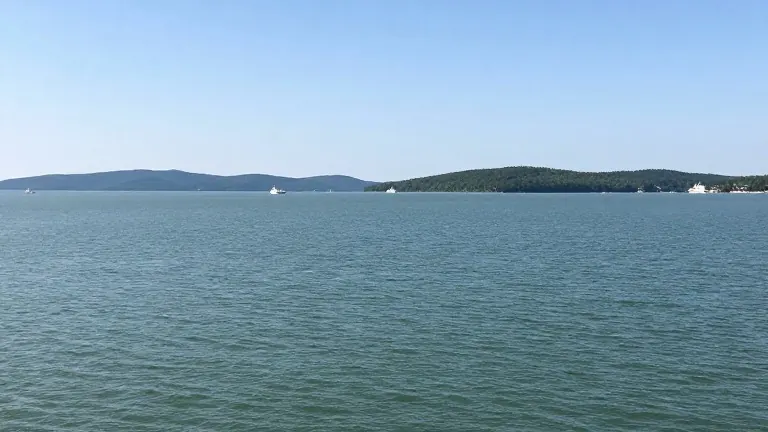
The independent audit of Vermont's Lake Champlain cleanup efforts, mandated by the state legislature, was never completed despite a decade of spending.
Vermont invested $928 million in water quality projects since 2016. Of that total, $755 million came from state funding and $173 million from local and federal sources. The money supported projects such as wetland restoration, agricultural buffer expansion, and stormwater upgrades. The state was required to submit an outside environmental consultant’s audit to determine if these projects reduced phosphorus pollution effectively.
Lawmakers approved the 2015 Clean Water Act and created the Clean Water Board to administer the fund. The law required the board to provide a full program audit by January 2021. The board issued an initial request for proposals in 2020 but received no bids. Legislators extended the deadline to 2023. Again, no outside firms submitted proposals. Board chair Douglas Farnham said some firms gave informal feedback that the scope was too broad. He and Julie Moore, secretary of the Agency of Natural Resources, asked legislators for direction but did not receive clear suggestions. The board never issued a new request.
The lack of an audit leaves lawmakers without an independent verification of cost-effectiveness. A 2019 state auditor report found that disproportionate spending went to wastewater treatment plants. These plants contributed the smallest share of phosphorus pollution. Agriculture remains the largest source of phosphorus runoff. In the current budget, agricultural water quality programs receive less than a third of total clean water funding. State auditor Doug Hoffer said hiring an independent study is the only way to know if the state is getting adequate returns.
Farnham noted that the board relies on yearly performance reports from the Department of Environmental Conservation. Emily Bird, director of the DEC Water Investment Division, said the department’s website provides transparency on spending and results. However, former water finance director Tee Thomas said these reports rely on models rather than direct analysis of water quality monitoring data. An audit would check those estimates against actual river and lake data.
The next legislative session begins in January. Sen. Anne Watson, chair of the Committee on Natural Resources and Energy, said she would likely discuss reviving the audit with colleagues. She stated that if the state values a clean lake, it must direct resources to effective solutions. The state treasurer estimated the total cost of the 20-year initiative at $2.3 billion in 2017.
Former state Rep. David Deen, who sponsored the clean water law, expressed dismay that the audit never happened. He said he found it amazing that no one in the legislature held the board to account. Former Senate Appropriations Chair Jane Kitchel said reviving the audit would be a priority if she were still serving. The Clean Water Fund receives $25 million to $30 million annually from the rooms and meals tax and deposit money.
Source: Seven Days · original report published
More News · Burlington news · Report a business · Got a Story?