Fall darkness affects mood for many Vermonters
Researchers link shorter days to seasonal depression, while local experts recommend light therapy and cognitive behavioral strategies to manage symptoms.
By Trevor Wilson ·
Millions of people in the United States experience seasonal affective disorder, a condition marked by depressive episodes that typically begin in autumn and resolve in spring. The onset of standard time on Sunday brought darker afternoons to much of the country, a shift that often serves as a trigger for these symptoms. This condition, known by the acronym SAD, has been documented since 1984, when a team led by Dr. Norman Rosenthal of the National Institutes of Health first described the disorder. Rosenthal noted that the term has endured because it is easy to remember.
The specific biological causes of SAD remain unclear, although the National Institutes of Health reports that the disorder affects many more women than men. Symptoms often mirror those of major depression, including persistent hopelessness, pessimism, and difficulty with concentration, memory, or decision making. Scientists are investigating how specialized cells in the eye convert blue light into neural signals that influence mood and alertness. Sunlight contains high levels of this blue light, which activates the brain’s alertness centers and can promote feelings of wakefulness and happiness.
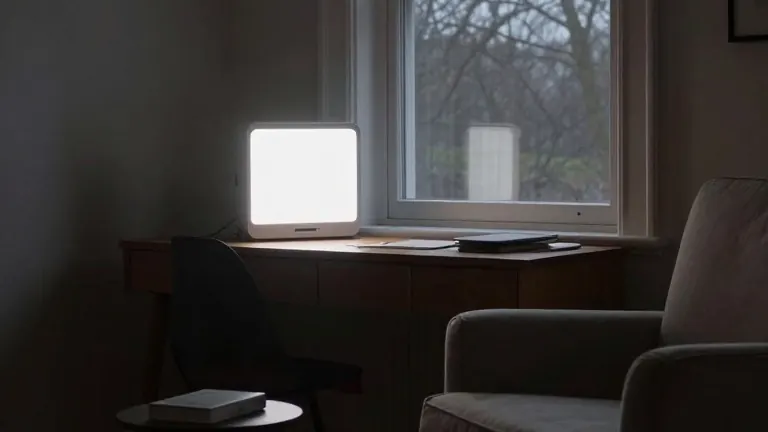
Kathryn Roecklein, a researcher at the University of Pittsburgh, examined how eyes react to blue light in individuals with and without SAD. Her findings indicate that people with the disorder are less sensitive to blue light than others, particularly during winter months. This reduced sensitivity offers a potential explanation for the link between wintertime darkness and depression. Dr. Paul Desan of Yale University’s Winter Depression Research Clinic stated that many individuals with SAD respond well to light therapy. This treatment involves exposure to bright light for approximately 30 minutes in the morning using devices that emit light about 20 times brighter than standard indoor illumination.
Research supports the use of light sources measuring approximately 10,000 lux, a standard unit of brightness. Desan advised that consistent morning use of such devices can benefit both those with clinical SAD and those experiencing milder winter mood changes. The cost of specialized light therapy devices ranges from $50 to more than $400. Desan warned that some products marketed for SAD are too dim to be effective. Yale University maintains a list of recommended products, and the nonprofit Center for Environmental Therapeutics publishes a consumer guide for selecting appropriate lighting equipment. Individuals with a medical diagnosis should check with their insurance providers to determine if the cost of a light is covered.
Antidepressant medications are considered a primary treatment for SAD alongside light therapy. Doctors also recommend maintaining a regular sleep schedule and spending time outdoors, even on cloudy days. The benefits of light therapy may diminish if the practice is discontinued. Kelly Rohan, a researcher at the University of Vermont, noted that cognitive behavioral therapy has shown more lasting effects in studies. This form of talk therapy involves working with a therapist to identify and modify unhelpful thought patterns. Rohan suggested that therapy can help individuals take small steps toward re-engaging with enjoyable activities, such as meeting a friend for coffee, to counteract the tendency to withdraw during the darker months.
Source: WCAX-TV · original report published
More News · Burlington news · Report a business · Got a Story?