UVM Study: Vermont Warming Faster Than Global Average
New data reveals 5-degree temperature rise in the southeast, record droughts, and 600 dry wells in 2025.
By Trevor Wilson ·
University of Vermont researchers released the third Vermont Climate Assessment on Friday, stating that the state is no longer a climate refuge.
The report indicates that Vermont is warming faster than the global average, with southeastern Vermont experiencing the most rapid change. That region is now almost 5 degrees Fahrenheit warmer than it was in 1900. This temperature shift has reduced annual snowfall by roughly 32 inches compared to 1960 levels.
The assessment combines local and federal data, including ice out dates on ponds and air humidity trends. Since the previous report in 2021, the state faced two catastrophic flooding events and the worst drought on record in 2025. These climate-exacerbated disasters cost farmers approximately one-third of their annual income. More than 8,000 people lived in homes with mold and water damage, and about 1,000 local businesses sustained damage.
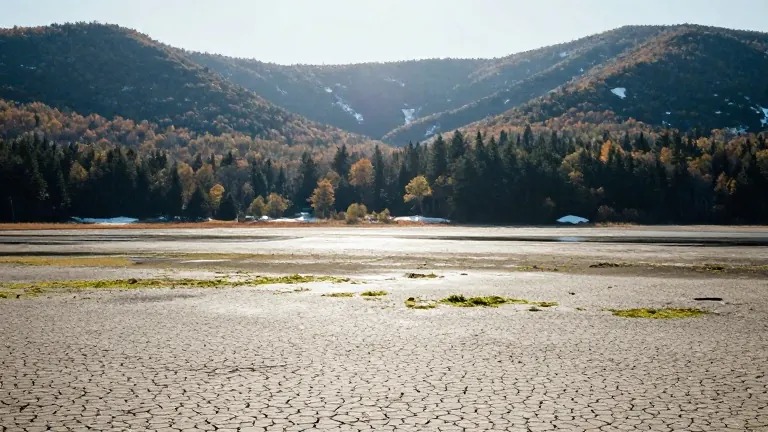
Gillian Galford, the lead author and a UVM climate scientist, described the recent data as illustrating extreme weather events and climate whiplash. She noted the movement between excess water and severe drought from year to year. In 2025, 600 private wells ran dry, and half of the state's farms lacked sufficient animal feed. Dehydrated cattle produced less milk, and hydroelectric dams generated less electricity, forcing the grid to rely on fossil fuels.
The growing season is now 24 days longer than in 1900, but unpredictable frosts complicate farming. Burlington now experiences triple the number of days above 90 degrees compared to 2020. Southern Vermont sees about two weeks of hot, humid days annually, a trend accelerating faster than predicted. Only one-third of Vermont households have air conditioning.
Lake Champlain's surface is on average 7 degrees warmer than in the 1960s, fueling toxic cyanobacteria blooms. These blooms regularly close the only beaches accessible to Burlington residents. Extreme rain events in rural areas have damaged swimming holes and pumped pollutants into rivers. Jessica Balerna, another author, stated that hot days correlate strongly with emergency department visits.
Extreme rainfall is increasing fastest in the Northeast Kingdom, which suffered flash flooding in 2024. Public health officials in 2023 advised residents to open windows to prevent mold after flooding, but wildfire smoke and heat that same year prompted opposite guidance. Galford said aging infrastructure, population, and rural geography make Vermont more vulnerable to climate impacts. The report suggests ski areas may still have enough water for snowmaking despite more winter rain.
Source: WOXR · original report published
More News · Burlington news · Report a business · Got a Story?