Providence Overdose Center Serves 1,500 Users, Intervenes in 200 Cases
Rhode Island's first supervised drug use facility in Providence has logged 12,000 visits since opening, with state officials confirming funding through fiscal year 2028.
By Trevor Wilson ·
A two-story building on Willard Street in Providence, Rhode Island, operates as the state's first supervised overdose prevention center. The facility, run by the nonprofit Project Weber/RENEW, opened in January of last year. It allows people to use drugs under the supervision of trained staff. The center serves as a national test case for reducing overdose deaths in the United States.
Ashley Perry, the deputy director of Project Weber/RENEW and director of the center, reported that the facility has served approximately 1,500 people. Those individuals have made more than 12,000 visits since the doors opened. Staff members have intervened in more than 200 overdoses during that period. Perry noted that these figures are preliminary. Independent researchers are currently evaluating the center's overall effectiveness.
The Rhode Island Department of Health reported that 219 people died from accidental overdoses in 2025. That number represents a decline of more than 33 percent from the previous year. Researchers have not yet determined how much of that statewide decrease can be attributed to the Providence facility. The decline began before the center opened. Perry said she is waiting for an evaluation from Brown University to clarify the data.
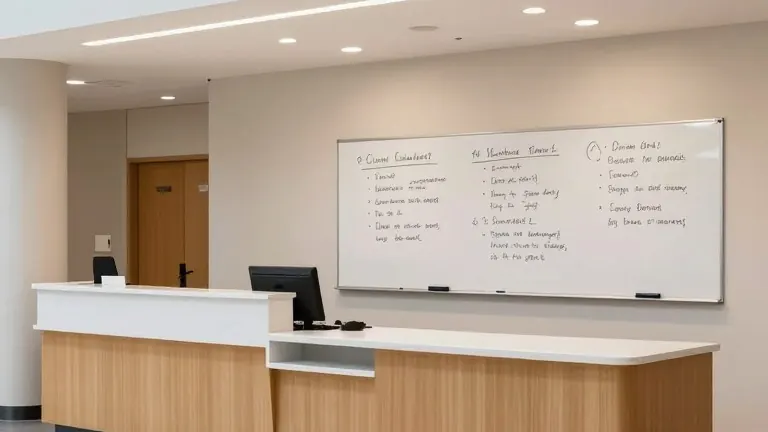
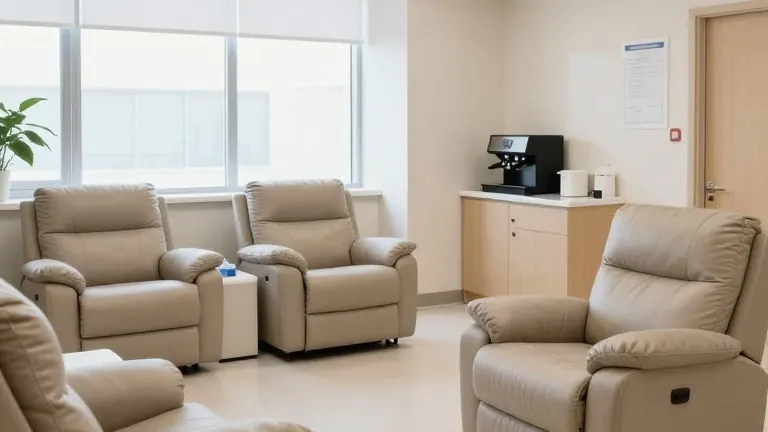
Visitors to the center first check in at a desk. From there, they can access a lounge for reading or eating, a laundry room, and showers. Many visitors head to the kitchen for coffee first. Perry said coffee is a primary request for people entering the building. The second floor contains the main space for supervised drug use. The area includes an open room with smaller adjacent spaces. There are individual booths for injection and a separate room for smoking cigarettes. A designated area with recliners is set aside for staff to respond to overdoses, often providing oxygen.
Kieshana Dawkins, a harm reduction specialist at the center, manages the supplies used by visitors. She keeps a cart stocked with needles, bands, swabs, and other items. Dawkins said the staff provides all clean supplies to ensure safety. She explained that the team uses gloves and sanitizes equipment to maintain a hygienic environment. The staff observes clients while they use drugs and steps in when necessary.
Kathy Schultz, director of the Governor's Overdose Task Force, addressed the center's funding. She stated that the facility continues to operate through opioid settlement funds. The state has committed at least $5.5 million in these funds to the center this year. Schultz confirmed that the state has secured funding through fiscal year 2028. Project Weber/RENEW also receives support from private donors, but no confirmed long-term funding plan exists beyond 2028.
The center has faced opposition from critics who argue that supervised use could encourage drug use in surrounding neighborhoods. Lawmakers debated these concerns at the State House and voted last year to extend the pilot program. Some legislators who initially opposed the idea supported giving researchers more time to evaluate its impact. Perry acknowledged that the center has worked to earn community trust.
Perry, who struggled with opioid addiction for many years, said her personal experience shaped the center's approach. She described a woman with a severe arm infection who visited the center. Doctors had warned the woman she might need an amputation if she did not stay sober in a hospital. Perry said the center's medical team found ways to treat the infection while the woman remained in active drug use. The woman told Perry recently that she would not need the amputation.
Perry said the center cannot save everyone who struggles with addiction. She noted that staff often see more losses than gains. However, she said she has observed more small wins than losses since the site opened. She described this shift as transformative for her work.
Source: WOXR · original report published
More News · Burlington news · Report a business · Got a Story?