Vermont Signs 3-Year Pact to Explore Nova Scotia Wind Power
State officials aim to secure Canadian electricity to offset delays in U.S. offshore wind projects and keep regional power bills stable.
By Trevor Wilson ·
Burlington, Vt. Vermont signed a three-year memorandum of understanding with Nova Scotia this week to explore importing electricity from Canadian offshore wind farms. The agreement allows state officials to negotiate a pathway for future power flows into the New England grid.
Governor Phil Scott said the deal addresses a specific constraint facing the state. “As a small state, we can’t generate affordable, clean and reliable energy alone, which is why regional partnerships are critical to reaching our goals,” Scott said.
The move responds to growing electricity demand across New England. More residents are driving electric vehicles and installing heat pumps, while the region continues to retire oil-burning power plants. Vermont regulators want to secure additional power sources to prevent shortages and rising rates for customers.
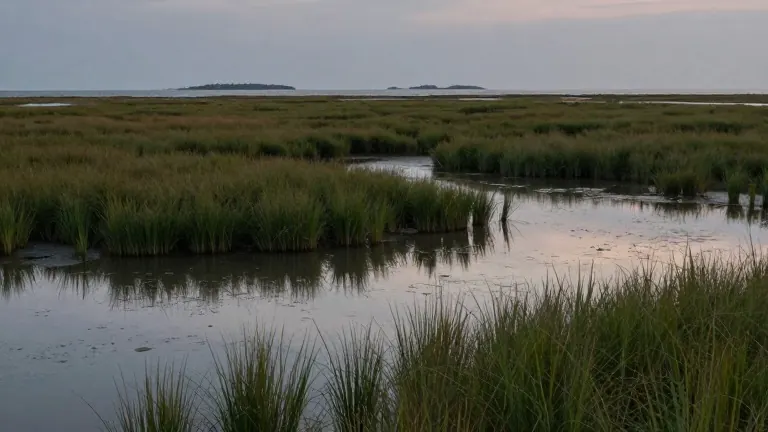
Federal opposition has created uncertainty around domestic offshore wind projects in U.S. waters. Nova Scotia, however, is actively soliciting bids for approximately 15 gigawatts of offshore wind capacity in the coming years. Hydro Quebec has also expressed interest in developing projects in the region.
Nova Scotia Premier Tim Houston called the agreement a step toward positioning the province as a clean energy hub. “This agreement with Vermont is an important step as we build connections with energy partners … and position Nova Scotia to become a clean energy superpower,” Houston said.
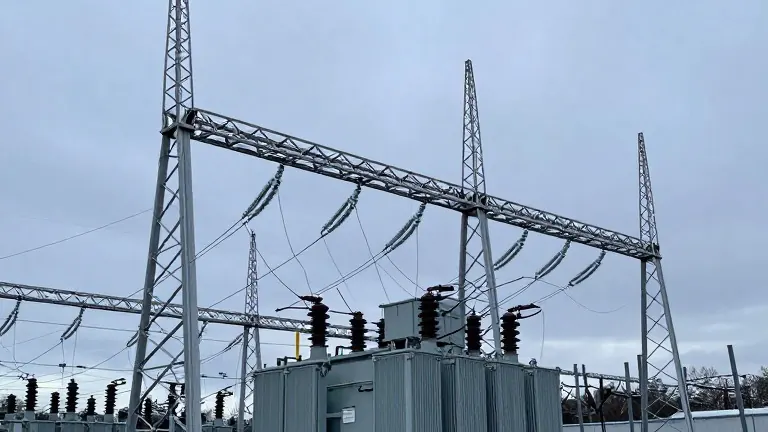
Transmitting that power to New England requires substantial infrastructure. Currently, there is no direct path for electricity to flow from Nova Scotia to the regional grid. The potential route involves sending power from Nova Scotia into the Canadian grid and then down to a high-voltage converter located in Highgate, Vermont.
Commissioner of Public Service Kerrick Johnson explained that Vermont’s participation in the negotiations could determine how this power enters the region. “There’s great value to Vermont and the other New England ratepayers to as large a new converter as possible, because that will allow a more robust power market,” Johnson said. He noted that a larger converter would increase the supply of power available for sale in New England, which could help lower costs driven by limited supply.
The existing converter in Highgate is outdated. VELCO, Vermont’s grid operator, has proposed upgrading the facility at a cost between $500 million and $1 billion. If local and regional stakeholders approve the upgrades, electric customers across the region would bear the expense.
Massachusetts signed a similar agreement with Nova Scotia earlier this year. Johnson said the New England states view themselves as partners in these efforts rather than competitors. Other potential connection methods include building new undersea power lines or linking the Quebec grid to Maine’s grid.
Local renewable developers and the Vermont Public Interest Research Group criticized the focus on imported power. They argued the state should prioritize expanding solar and wind resources within Vermont’s borders, a goal they said the administration has slowed during Governor Scott’s tenure.
Source: WOXR · original report published
More News · Burlington news · Report a business · Got a Story?