Vermont Election Day Determines Next Governor's Legislative Leverage
The outcome of the gubernatorial race and legislative seats will dictate whether the next administration faces a veto-proof majority or a divided government.
By Sophie Lawson ·
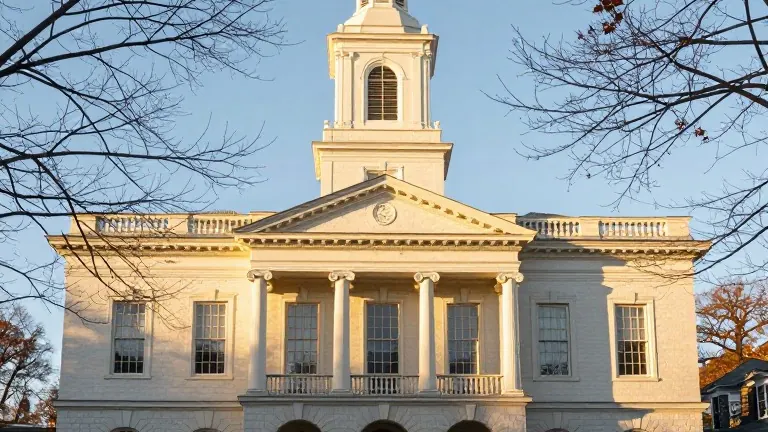
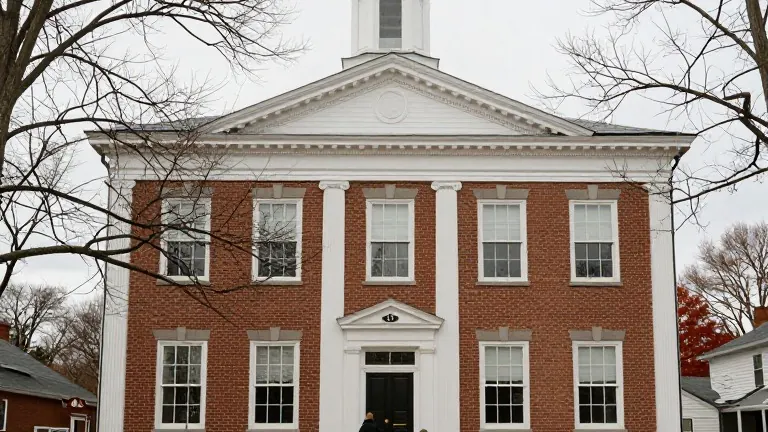
Vermont voters will decide the state's political balance on Tuesday as all 150 legislative seats and the governorship go to the polls.
Democrats have controlled both chambers of the Vermont Legislature for over 20 years, but their power level has fluctuated in recent cycles. From 2022 to 2025, the party held a supermajority in both the House and Senate, allowing them to override vetoes from Republican Governor Phil Scott. The 2024 election reduced that power. Republicans gained seats in both chambers, leaving Democrats with a majority but not a two-thirds supermajority. In the Senate, Democrats and one Progressive ally held 17 of 30 seats. The House saw a similar shift, with a large majority for Democrats, Progressives, and independents, but no veto-proof numbers. This change forced the legislative majority to seek compromises with the governor's office.
The political dynamics for the next two years depend on the combination of governor and legislative control. If Phil Scott wins a sixth term, the divided government structure of the last biennium likely continues. That scenario produces more vetoes and veto overrides as the administration and legislature negotiate. Paul Dame, chair of the Vermont GOP, said Republicans made an impact despite not gaining a majority. He cited progress on tax cuts for seniors and child tax credits as goals of divided government. Dame stated that the party aims to repeal the military pension tax and roll back legislation he views as making Vermont unaffordable.
If Democratic Progressive Amanda Janoo wins and Democrats maintain control of both chambers, the legislative pace could accelerate. Lachlan Francis, chair of the Vermont Democratic Party, described the current balance as an opportunity to move faster on daily issues. He noted that Janoo's proposals to tax high-income earners and second homes could become law depending on the state's financial picture in January. Francis said the stakes include home heat, food, and healthcare for Vermont families. The Statehouse leadership appears ready to embrace Janoo's agenda. Sen. Andrew Perchlik, who leads the Senate Appropriations committee, said he looks forward to working with Janoo to ask the wealthiest to pay their fair share. Rep. Emilie Kornheiser, chair of the House Ways and Means Committee, echoed that sentiment, calling Janoo's vision necessary for Vermonters.
No matter the winner, the legislative leadership signaled a willingness to support Janoo's policy direction. Many progressive ideas, such as taxing the wealthy, stalled in previous sessions due to veto threats and fiscally moderate Democrats. The prospective chairs of the key tax committees have now publicly aligned with Janoo's proposals. This shift suggests that the next governor will face a legislature more inclined to pass revenue-raising bills than in the past. The final configuration of seats will determine how easily these bills clear the Statehouse.
Source: WCAX-TV · original report published
More Politics · Burlington news · Report a business · Got a Story?