Burlington voters back Democratic control of Vermont Statehouse
Gov. Phil Scott retains office for a sixth term, but Democrats now hold a supermajority in the Legislature that can override his vetoes.
By Trevor Wilson ·
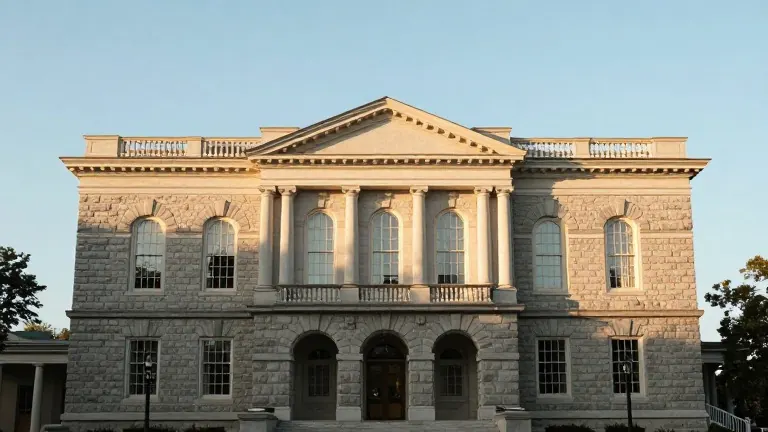
Vermont residents will face a divided government in the coming year. Republican Gov. Phil Scott secured a sixth term, but Democrats have regained enough seats in the Legislature to override his vetoes. This shift changes the balance of power in Montpelier and sets the stage for a clash between the executive and legislative branches.
Scott defeated Democratic challenger Amanda Janoo by seven points. The victory was narrower than in his previous races. Before the election, polls suggested the race was too close to call and that Scott might lose. During his victory speech on Tuesday, Scott joked that some people had already written his obituary. He noted that he has served the state for nearly 10 years and intends to continue doing what he believes is right for Vermonters.
The Legislature is now firmly in Democratic hands. Democrats hold 22 seats in the Senate and 112 seats in the House. These numbers give them a veto-proof majority. Legislative leaders are already planning a 2027 agenda focused on health care, housing, and taxes. They intend to use their new power to test their ability to override the governor’s decisions from the fifth-floor corner office of the Statehouse.
Political analysts point to Scott’s experience and his focus on affordability as key reasons for his survival. Bert Johnson, a political science professor at Middlebury College, said Scott effectively distanced himself from President Donald Trump. This strategy protected him from the national backlash against the president. Johnson noted that many voters wanted a Republican governor to balance the power of the new Democratic Legislature.
Senate Minority Leader Scott Beck, a Republican from Caledonia County, said his party was swept up in the national rebuke of Trump over high gas and housing costs. Preliminary data shows Republican turnout dropped nearly 30% in some districts, while Democratic turnout remained steady. Beck expects friction in the upcoming session. He criticized the strategy of making Vermont more affordable by adding government programs that cost more money.
Sen. Becca White, a Democrat from Windsor County, views the election as a referendum on Scott’s executive power. She said voters are telling the state that the executive branch is broken, just as they said the Legislature was broken in 2024. White is considering running for Senate majority leader. She said Democrats want to address health care and housing with forward-thinking leadership. The return of the supermajority also puts pressure on the bipartisan education property tax reform agreement that was reached last year. Both key figures in that deal, Scott and the top Democratic leaders, are in new positions of power or departure.
Amanda Janoo’s progressive agenda may still influence legislative discussions despite her defeat. Her campaign pushed for taxing high-income earners and second homes. Many described her platform as a political movement similar to that of Bernie Sanders. In her concession speech, Janoo said the vision of a Vermont where everyone has a home and a local doctor does not end with the election.
Source: WCAX-TV · original report published
More Politics · Burlington news · Report a business · Got a Story?