Sedona shop owner warns buyers about fake crystals
TikTok views for the hashtag #crystals have reached 20 billion, but experts say the surge in popularity has led to a flood of imitations.
By Sophie Lawson ·
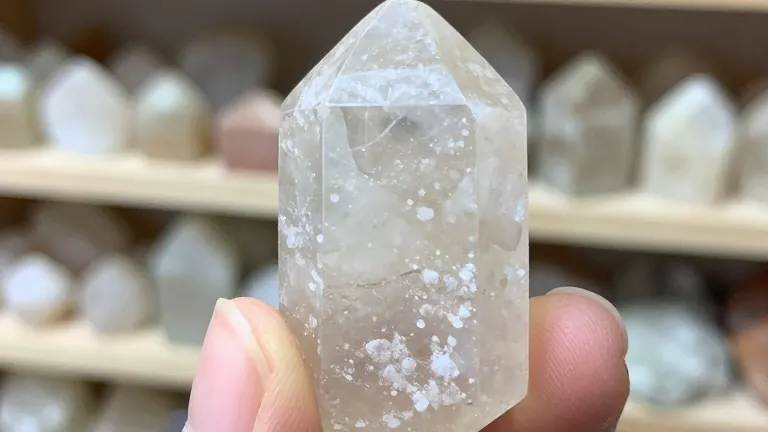
The hashtag #crystals has generated 20 billion views on TikTok, a number that signals a massive shift in consumer interest toward gemstones. This online boom has created a larger market for these items, but it has also invited a wave of fake products into local stores and online shops.
Jamie Inglett, who owns a crystal shop in Sedona, Arizona, says buyers can find counterfeits in many places. She notes that fakes are available in retail stores and at gem shows. “As a consumer you really kind of have to do your own research,” Inglett said. She opened her physical storefront after building a following of 215,106 Instagram users online.
Shannon Wimberly, a crystal collector, has run into fake items during her years of collecting. She now looks more closely at her purchases to avoid mistakes. “I absolutely know I’ve run into getting fake ones, so I started scrutinizing other things more and more,” Wimberly said. This careful approach is becoming common among enthusiasts who want to ensure they are getting what they paid for.
Inglett points to lab-grown crystals as a common source of confusion. She showed a lab-grown stone that she purchased from a Sedona shop for more than $100. The same type of crystal can be found online for between $5 and $20. “You’ll see hundreds of these, depending on the store. They’ll all look about the same,” Inglett said. She also notes that buyers might purchase completely synthetic items made from plastic or glass.
To spot a fake, Inglett recommends asking sellers about the origin of the stone. “Asking the shop, where is this from? And then they should at least be able to tell you the country of origin, if not the actual mine name,” Inglett said. She suggests that sellers should be able to provide this basic information if they are dealing in natural materials.
Physical tests can also reveal a fake. Inglett says glass imitations sound different when tapped and do not get cold to the touch the way real stone does. She also points out that glass often has unnatural dye patterns. For fake moldavite, she says the stone lacks the natural grooves and textures found in the real thing and appears too uniform in shape.
Inglett added that lab-grown crystals are acceptable if the seller discloses what the buyer is purchasing. She believes transparency is the key to a fair transaction in a market that is growing rapidly due to social media trends.
Source: WCAX-TV · original report published
More Business · Burlington news · Buyer Beware · Report a business · Got a Story?