El Niño Drought Affects Eight Million in Papua New Guinea
A historic climate pattern has dried up rivers and halted power generation in the capital, prompting a coalition of civil society groups to declare a national crisis.
By Sophie Lawson ·
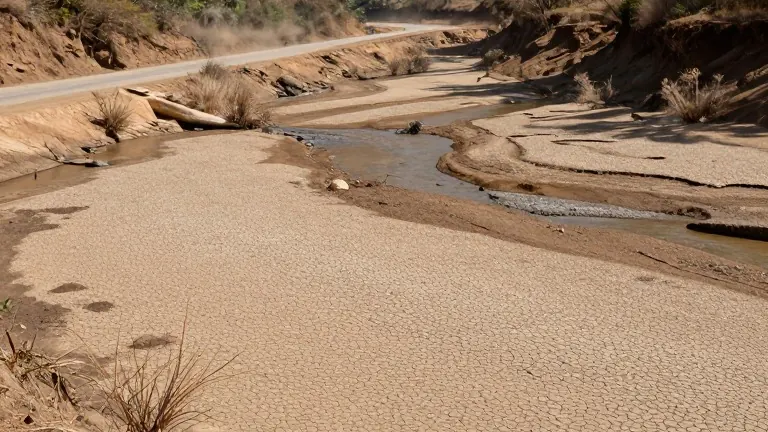
As many as eight million people in Papua New Guinea are currently suffering from an extreme drought driven by an historic El Niño event. The condition has triggered shortages of food and water, disrupted electricity supply, and forced closures in schools and health facilities across the Pacific nation.
A coalition comprising churches, trade unions, and business groups declared the situation a national crisis last month. Peter Aitsi, co-chair of the Community Coalition Against Corruption, stated that there appears to be no coordinated plan to protect vulnerable communities from the worsening impacts of the climate pattern.
The drought has been severe since August, with some regions receiving less than a quarter of their usual rainfall. Kasis Inape, assistant director of the National Weather Service, explained that the country relies on warm tropical waters to generate rain. He noted that El Niño has shifted these waters eastward, starving the region of precipitation. Inape warned that the climate pattern may shorten the typical wet season, which runs from November to April.
In rural highland areas, families are rationing food to one meal per day, according to Emilly Meren, humanitarian projects manager at CARE International. She reported that women and girls are traveling three to four hours to source water and food, increasing their risk of harassment. Meren also noted that transactional sex has emerged in some communities as a means for residents to obtain food or money.
In the Bulolo district of Morobe province, smaller rivers have disappeared, leaving residents without water for basic needs. Martha Zureno, a resident of Leklu village, said her family now walks miles each afternoon to fetch water. She added that their self-dug well is used only for washing, and that local gold panning operations have become difficult without sufficient water flow.
The capital, Port Moresby, is also feeling the strain. PNG Power has initiated planned blackouts because falling dam levels have reduced hydropower generation. The company stated that disruptions could continue for up to ten months as it manages dam releases to protect the city’s water supply. Aitsi said urban centers had been largely shielded from the worst impacts until now, but the power cuts and food shortages threaten to change that dynamic.
Prime Minister James Marape has directed provincial authorities to prepare for a prolonged dry season. He said his government is examining financial arrangements to support disaster responses. Marape noted that cabinet is tailoring financial provisions to ensure districts and provinces can assist with immediate disaster needs.
Source: The Guardian