December deadline threatens Vermont CBD makers
A new federal rule on hemp-derived products forces local companies to reformulate or shrink their lines before December 11.
By Sophie Lawson ·
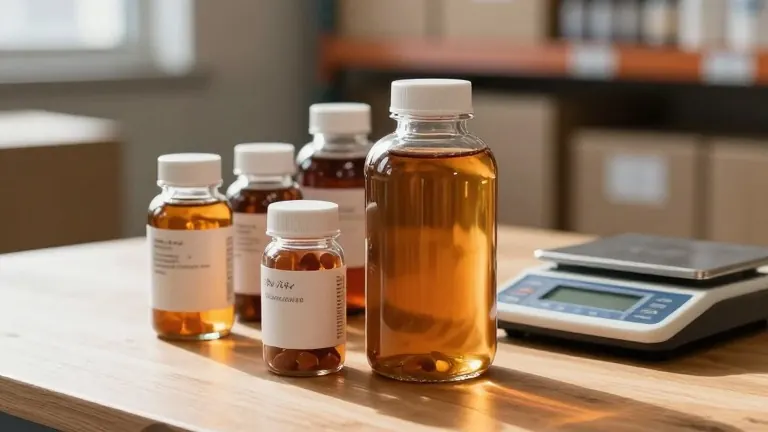
Burlton businesses face a hard deadline on December 11 when a new federal law closes a loophole that allowed hemp products to contain intoxicating levels of tetrahydrocannabinol, or THC. The rule changes how the U.S. Department of Agriculture licenses these items, creating immediate pressure on Vermont producers who rely on direct-to-consumer sales.
The new definition caps total THC at 0.4 milligrams per container. Industry estimates suggest that about 95 percent of current hemp-derived products on the market will fail to meet this standard. Companies that violate the cap risk prosecution under the federal Controlled Substances Act, a threat that has forced many to pause or change their operations.
Sunsoil, a company based in Hardwick, cofounded by Alejandro Bergad and Jacob Goldstein in 2015, is one of the firms adapting to the change. Sunsoil sells certified organic products in 2,500 stores nationwide. Bergad blamed the new mandate on producers who exploited the previous legal gray zone to sell high-THC goods with little oversight.
“The greed that helped birth an emerging market has also helped take it down,” Bergad said. Sunsoil has no plans to reformulate its full-spectrum offerings. Instead, the company will continue selling these products outside Vermont but in smaller containers to stay under the federal cap. Bergad said the company is committed to selling the same products the same way and will not compromise its standards.
Sunset Lake Farms in South Hero has taken a different approach. The company determined that about 60 percent of its CBD supplements would not comply with the new rules. Marketing director Rev Baker said the company began reformulating and rebranding products to remove trace THC at a cost of about $100,000. Baker described the change as a bummer, noting that millions of Americans rely on full-spectrum CBD for their well-being.
To protect its revenue, Sunset Lake has expanded into non-CBD offerings. The company teamed up with an herbalist in Randolph to develop tinctures that contain no hemp. It is also working with another Vermont firm to create supplements using non-psychedelic mushrooms such as reishi, lion’s mane, and Cordyceps. Baker said the company decided to act as though the ban is going to take effect and plan accordingly.
Upstate Elevator in Burlington was among the first Vermont companies to sell CBD products after legalization. Founder and CEO Dylan Raap said the company stands to lose about 90 percent of its current product line if the law is not changed. Upstate has not reformulated its offerings yet. Instead, it has added products containing botanicals like kava and kanna, which the FDA considers dietary supplements. Raap is banking on a legislative fix before the deadline.
Logistics are also becoming a hurdle. In August, the payment app Square announced it will no longer process transactions for hemp-derived products. James Pepper, chair of the Vermont Cannabis Control Board, questioned how shipping carriers and credit card companies will handle the products. He noted that many of these goods are sold through the mail, where there is little enforcement to stop products from reaching consumers.
Source: Seven Days · original report published
More Business · Burlington news · Buyer Beware · Report a business · Got a Story?