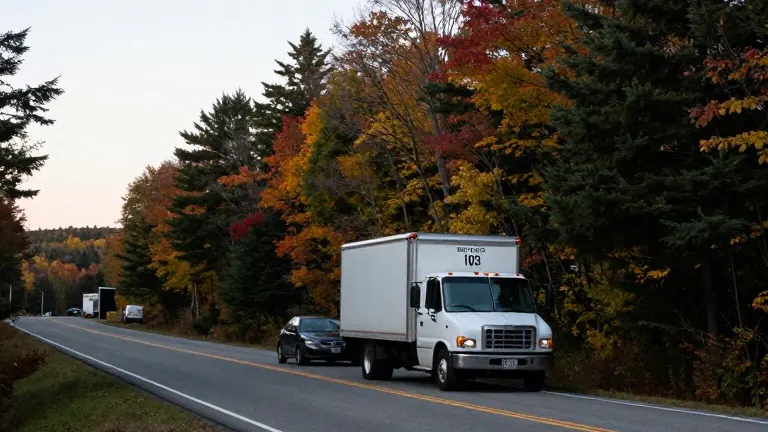
Local gardeners advised to use warty pumpkins and dark foliage for fall decor
Vermont Public recommends moving beyond standard orange pumpkins by incorporating ornamental grasses, black pansies, and specific pruning techniques for young fruit trees.
By Trevor Wilson ·
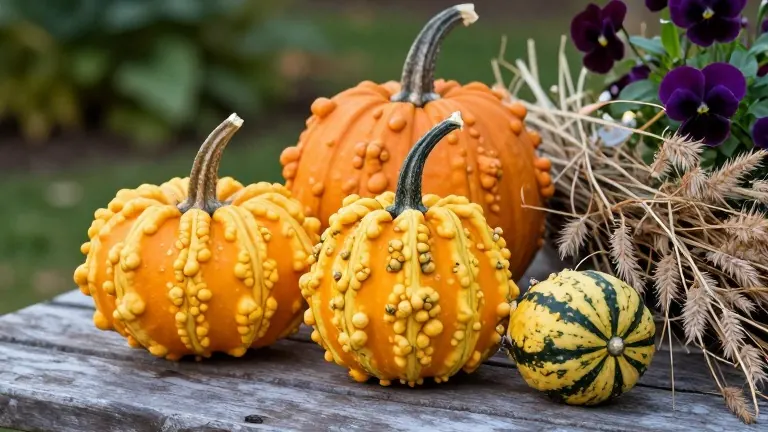
Vermont Public is urging local residents to rethink their autumn decoration strategies by moving beyond traditional orange pumpkins and mums. The network recommends using specific plant varieties and garden materials to create a more varied display for the coming weeks.
Gardeners are advised to incorporate natural materials such as warty 'Knucklehead' pumpkins and small, colorful gourds. These items can be combined with wispy ornamental Miscanthus or switchgrasses to add texture to scarecrows and other outdoor decorations.
Dried flowers, specifically Chinese lanterns, are suggested for adding movement and color. These plants produce red, paper-like pods that remain viable for decoration after the growing season ends. Garden centers in the region currently stock these items for seasonal display.
For those seeking a spookier aesthetic, the network recommends dark-leafed plants available at local garden centers. Options include smokebush, ninebark, purple fountain grass, and black pansies. Indoor plants can also be used, with suggestions including black oxalis, dark-leafed rubber trees, and 'Black Magic' elephant ears.
In its 'All Things Gardening' segment, Vermont Public addressed a question from Ed and Mary of East Charleston regarding the care of second-year pear and peach trees. The pair, who practice organic gardening, asked about pruning and soil amendments for their young trees and mature apple trees.
Vermont Public advised that young fruit trees should not receive compost until spring. For the current fall season, the recommendation is to apply wood chips or bulk mulch. This step protects the root system and helps retain moisture during the first or second winter of the tree's life.
Pruning should occur in late winter rather than fall. Growers are instructed to remove suckers and create evenly spaced whorls of branches around the trunk. To protect trunks from mice, voles, deer, and rabbits, the network suggests adding a wire or deer mesh cage around the trees.
Victoria, a listener who contacted the station via email, asked for help with a 30-year-old lilac bush experiencing black leaves and leaf drop. Her lilac, which receives full sun, has suffered from the issue since 2024, while a bush in a shadier location remains healthy.
Vermont Public suggested two pruning approaches to rejuvenate the older lilac. The first is cutting the bush back significantly this winter, allowing it to regrow over several years before it flowers again. The second is rotational pruning, which involves cutting back one-third of the branches each year for three consecutive years to reduce overall height.
Spraying with neem oil immediately after the lilac finishes flowering may help prevent foliar diseases during humid summers. Listeners can submit their own gardening questions to gardening@vermontpublic.org or by calling 1-800-639-2192. The program airs Friday evenings at 5:44 p.m. and Sunday mornings at 9:35 a.m.
Source: WOXR · original report published
More News · Burlington news · Report a business · Got a Story?