UVM student turns thrift bins into Burlington market
FleaNearMe hosted its first local event at a Williston Road hotel, drawing dozens of sellers from the college community.
By Sophie Lawson ·
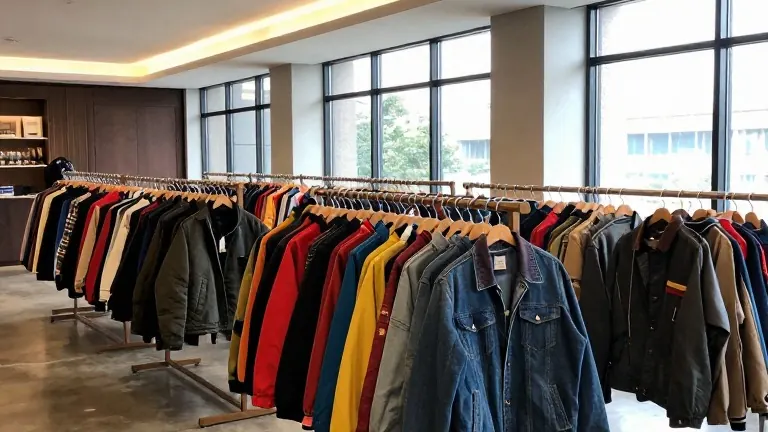
FleaNearMe hosted its first secondhand market in Burlington on Oct. 3 at the DoubleTree hotel on Williston Road. The event marked the local debut for a business founded by UVM sophomore Jake Miller, who has spent the last 15 months organizing vintage sales in Connecticut, New York, and Vermont. Miller started his company online, sourcing clothing from Goodwill bins on weekends and listing items on resale platforms like Depop during the week. His success in the online space led to an invitation to the company's New York headquarters, where he began pitching local vendors to host physical events.
When initial interest from vendors was low, Miller organized the events himself. For the Burlington sale, he sourced inventory through connections on and around campus. The market featured a mix of established local artists and students who transitioned from buying to selling. Sophomore Zach Kelly, for example, began by thrifting for his own wardrobe before finding items in the Goodwill bins to resell. His booth focused on vintage workwear and outdoor gear.
Sellers cited sustainability as a primary motivation for participating in the secondhand economy. Quigley, a local artist employed by the Church Street store Hunny Mustard, emphasized the need to recycle the six generations of clothing currently on Earth. Camille Benham, a New England-based seller, noted that a high school fashion class changed her view on fast fashion, leading her to stop shopping at major retail chains. Evan Mayo, a UVM sophomore, highlighted the environmental impact of fast fashion, stating that giving clothes a second life prevents them from ending up in landfills.
Pricing strategy varied among the participants. Powell, a senior seller, generally set prices slightly below market value to gauge customer reaction. Kelly used completed listings on eBay as a baseline for his pricing. Quigley argued that high price tags do not guarantee higher profits, noting that accessibility is important for a business built on a thrifting culture. "You don't have to put your vintage at a million dollars for you to make money off of it," Quigley said.
Bargaining played a role in the final sales. Mayo often listed items five or ten dollars above his target price to leave room for negotiation. Powell described bargaining as a way to connect with college students who might be hesitant to buy. "I want to sell the people, so I'd rather sell something than not," Powell said. Miller viewed the business as a combination of personal enjoyment and a useful service for the community. "If I can work on a business that I'm very happy with, that also is for a good cause, I think it's just a win-win situation," Miller said.
The event highlighted the growing intersection of UVM student culture and the local secondhand market. Vintage pop-up racks are a common sight near the Davis Center, and many students attribute their wardrobes to thrifting. The FleaNearMe market provided a centralized space for this trade, connecting buyers directly with sellers who sourced their goods from local bins and online platforms.
Source: The Other Paper / Vermont Cynic · original report published
More News · Burlington news · Report a business · Got a Story?