Pennsylvania Lawmakers Hear of Fire and EMS Staffing Crisis
A stalled reimbursement bill faces a November deadline as local chiefs detail quadrupled call volumes and agency closures.
By Sophie Lawson ·
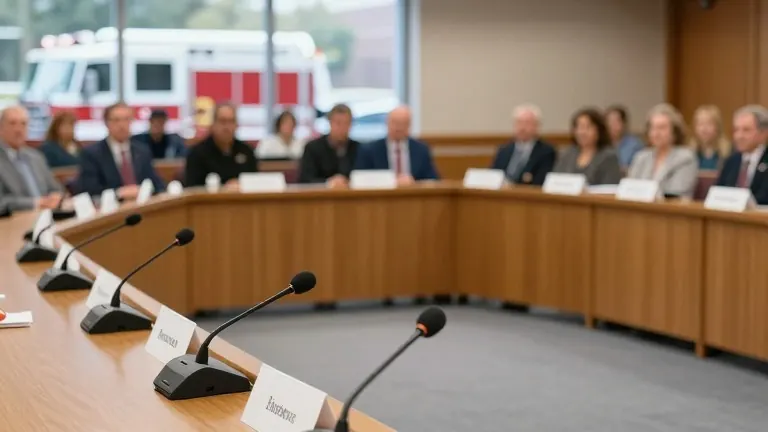
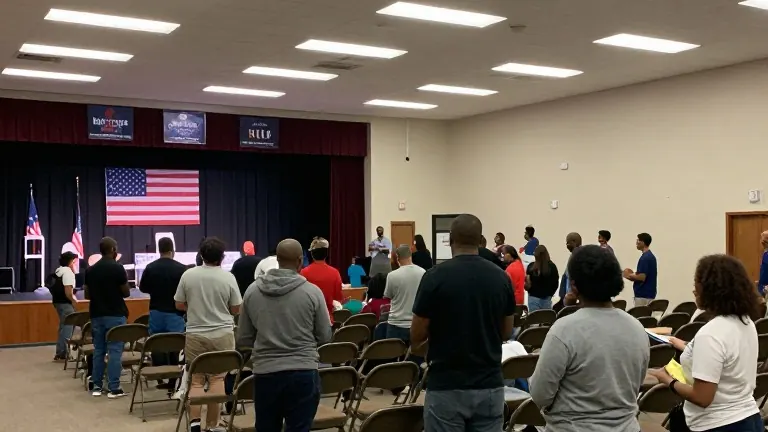
State legislators convened in Murrysville in mid-October to review the financial and staffing pressures affecting local emergency services. The gathering coincided with a legislative impasse, as a bill aimed at stabilizing ambulance reimbursement rates has remained in a House committee for more than one year.
Forbes Road Fire Chief Bob Rosatti told the panel that workforce shortages have reached a critical level. He noted that call volumes for local fire companies have increased fourfold over the past 30 years. Rosatti stated that his department handles 630 calls annually, despite serving a small, rural area.
Rosatti described the current staffing situation as a crisis point. He explained that a large fire during daylight hours can deplete 25 percent of the fire companies in Westmoreland County. He urged legislators to simplify the process for merging fire departments to better manage these resources.
Representative Jill Cooper of Murrysville sponsored House Bill 1152, which would require insurance companies to pay direct reimbursement rates for 911 emergency medical services. The bill ties these payments to Medicare rates and applies regardless of network status. Mutual Aid Ambulance Chief Operations Officer Mike Wystepek testified that agencies maintain constant readiness without reimbursement for that upkeep.
Wystepek highlighted that insurance companies often send payments directly to patients rather than to the ambulance providers. He noted that this method does not always result in payment to the agency. He also cited rising costs for fuel and equipment that have not been matched by reimbursement rates.
The financial strain has led to closures in the region. LifeStat Ambulance closed in 2024, citing low reimbursement rates and high patient deductibles. Neighboring agencies, including Murrysville Medic One, absorbed the service area. Agency leaders stated that neighboring services must respond to calls regardless of their capacity to cover the expanded territory.
Murrysville Chief Administrator Michael Nestico addressed the cost of volunteer fire protection. He stated that the municipality uses 1.35 mills of property taxes for fire apparatus and commits $130,000 from its general fund for maintenance. He argued that these funds are insufficient to cover all operational necessities and asked the commonwealth to support long-term planning rather than just providing tax incentives to current volunteers.
Source: Pittsburgh Tribune-Review