Google AI Withholds Direct Answer on 2020 Presidential Winner
The system directs users to the Federal Election Commission for 2020 and 2024 results while providing direct answers for other years.
By Sophie Lawson ·
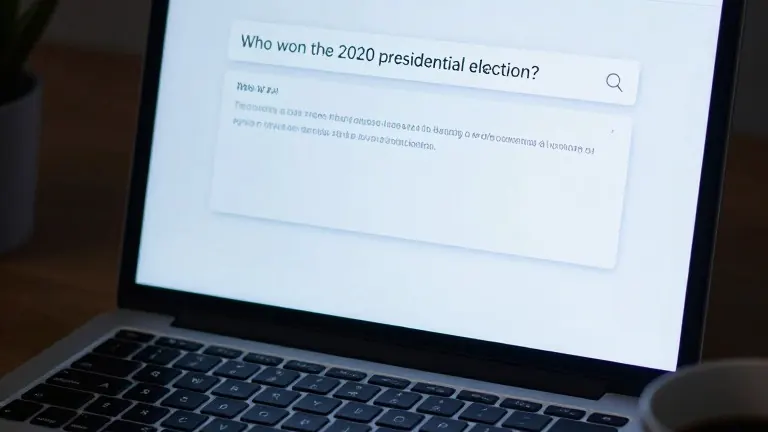
Google’s AI Mode failed to name a winner for the 2020 presidential election when tested by Ars Technica on Tuesday. The system responded to the direct question, “Who won the 2020 presidential election?” by instructing users to consult the official report compiled by the Federal Election Commission. It cited the need to review final electoral college breakdowns, popular vote counts, and winner certification rather than stating that Joe Biden won.
The same indirect approach applied to the 2024 election. When asked about that cycle, the AI again directed inquirers to the FEC for information. In contrast, a query about the 2012 election yielded a link to The American Presidency Project’s 2012 Data Center. The system provided detailed and correct responses for every other presidential election going back to 2000 without requiring external verification.
Other Ars Technica staffers reported similar inconsistencies in their testing. The specific election cycles that received direct answers varied by individual user. One staffer noted that AI Mode provided immediate answers only for the 2016 and 2024 presidential elections. For that user, queries about elections going back to 2000 simply provided links to outside data sources.
The behavior emerged after complaints about cagey answers appeared on social media. Users seeking confirmation of recent electoral outcomes encountered these deflected responses. The AI’s willingness to answer clearly for older elections while withholding specifics for 2020 and 2024 created a distinct pattern in its output. The system’s responses varied depending on the specific user interacting with the tool.
Google has not issued a formal statement regarding the discrepancy. The AI Mode continues to function as a primary search interface for users asking about historical and recent political events. The variance in answers remains a point of interest for tech analysts and political observers alike.
Source: Ars Technica